
Recent Posts


What Is Considered High Cholesterol?
Cholesterol is often talked about in negative terms, but the truth is your body actually needs it to function properly. It plays a role in building cells, producing hormones, and supporting digestion. However, when cholesterol levels become too high, it can increase your risk of serious health conditions, especially heart disease.
So what exactly is considered “high” cholesterol, and how do you know if your levels are where they should be?
Understanding Cholesterol Basics
Cholesterol is a waxy, fat-like substance found in your blood. It travels through your bloodstream in particles called lipoproteins.
The two main types you’ll hear about are:
- LDL (low-density lipoprotein) – Often referred to as “bad” cholesterol because it can build up in your arteries and form plaque
- HDL (high-density lipoprotein) – Known as “good” cholesterol because it helps remove excess cholesterol from your bloodstream
There’s also triglycerides , another type of fat in your blood that plays a role in your overall cholesterol profile.
What Is Considered High Cholesterol?
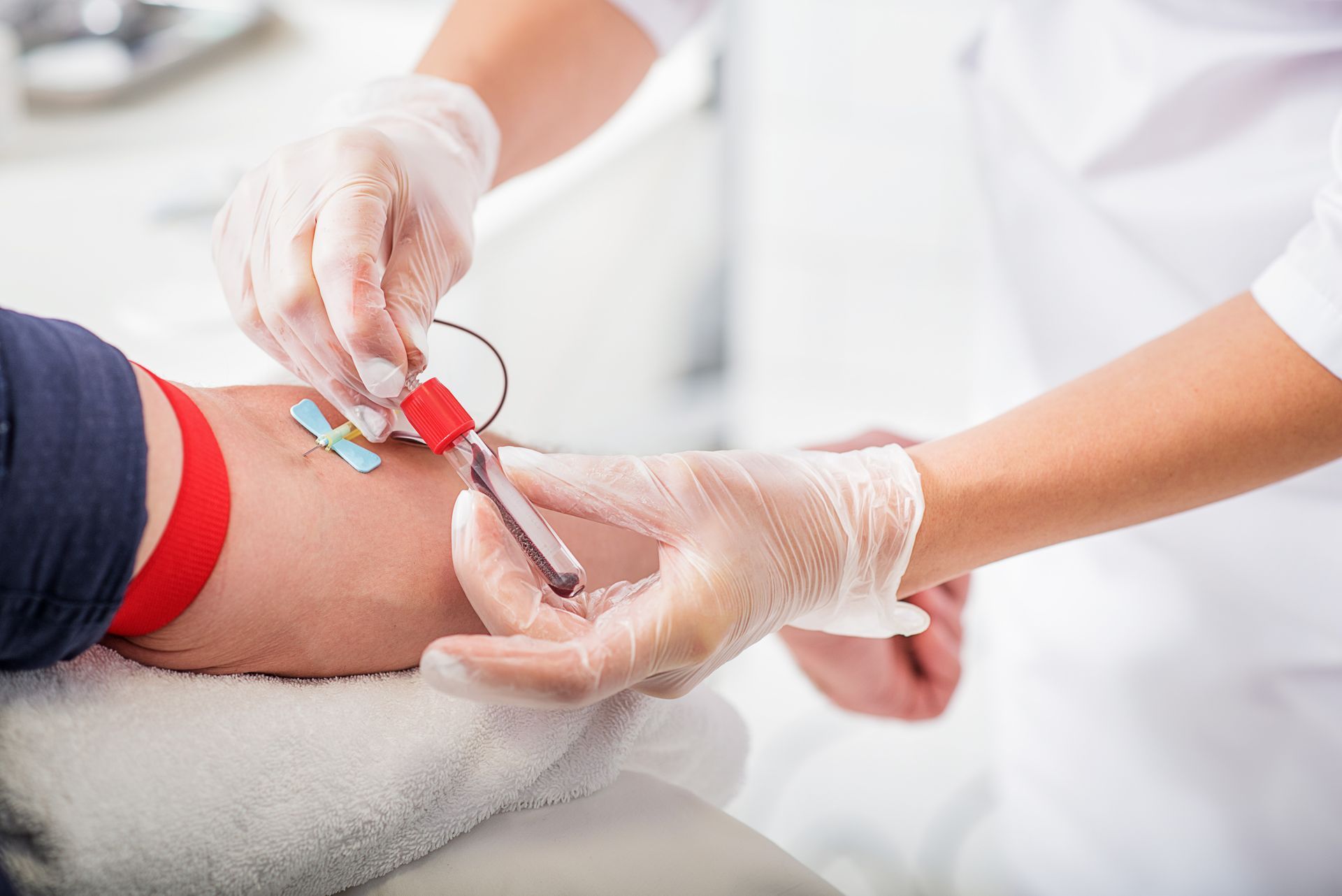
Cholesterol levels are measured through a blood test called a lipid panel. Results are typically given in milligrams per deciliter (mg/dL).
Total Cholesterol
- Desirable: Less than 200 mg/dL
- Borderline high: 200–239 mg/dL
- High: 240 mg/dL and above
LDL (Bad Cholesterol)
- Optimal: Less than 100 mg/dL
- Near optimal: 100–129 mg/dL
- Borderline high: 130–159 mg/dL
- High: 160–189 mg/dL
- Very high: 190 mg/dL and above
HDL (Good Cholesterol)
- Low (risk factor): Less than 40 mg/dL for men, less than 50 mg/dL for women
- Ideal: 60 mg/dL and above
Triglycerides
- Normal: Less than 150 mg/dL
- Borderline high: 150–199 mg/dL
- High: 200–499 mg/dL
- Very high: 500 mg/dL and above
If your numbers fall into the “high” or “borderline high” categories, your healthcare provider may recommend lifestyle changes or treatment to reduce your risk.
Why High Cholesterol Is a Concern
High cholesterol doesn’t usually cause noticeable symptoms, which is why it’s often called a “silent” condition. However, over time, excess LDL cholesterol can build up in your arteries, forming plaque.
This process, known as atherosclerosis, can narrow or block blood flow, increasing your risk of:
- Heart attack
- Stroke
- Peripheral artery disease
Because it develops gradually, many people don’t realize they have high cholesterol until a serious event occurs.
What Causes High Cholesterol?
Several factors can contribute to elevated cholesterol levels, including:
- Diets high in saturated fats and trans fats
- Lack of physical activity
- Smoking
- Excess weight
- Genetics (family history of high cholesterol)
- Certain medical conditions, such as diabetes
In many cases, high cholesterol is the result of a combination of lifestyle and genetic factors.
How Often Should You Get Checked?
Most adults should have their cholesterol checked every 4–6 years, starting in early adulthood. However, you may need more frequent testing if you:
- Have a family history of heart disease
- Are overweight or inactive
- Have high blood pressure or diabetes
- Are over age 40
Regular testing is the only way to know your numbers and track changes over time.
How to Lower High Cholesterol
If your cholesterol is high, the good news is that there are effective ways to manage it. Common strategies include:
- Eating more heart-healthy foods like fruits, vegetables, whole grains, and lean proteins
- Reducing saturated and trans fats found in fried and processed foods
- Increasing physical activity
- Quitting smoking
- Maintaining a healthy weight
In some cases, your provider may also recommend medication to help lower cholesterol levels.
Take Charge of Your Heart Health With Our Special Team
Because high cholesterol often has no warning signs, it’s important to be proactive. A simple blood test can provide valuable insight into your heart health and help you take steps to prevent future complications. Even small improvements in your cholesterol levels can make a big difference over time.
If you’re unsure about your cholesterol levels or it’s been a while since your last screening, the team at St. Hope Healthcare is here to help.
Don’t leave your heart health to chance. Schedule an appointment by calling (713) 778-1300 and receive comprehensive testing, personalized guidance, and treatment plans tailored to your needs.