
Recent Posts




When Should You See a Doctor About Irregular Periods?
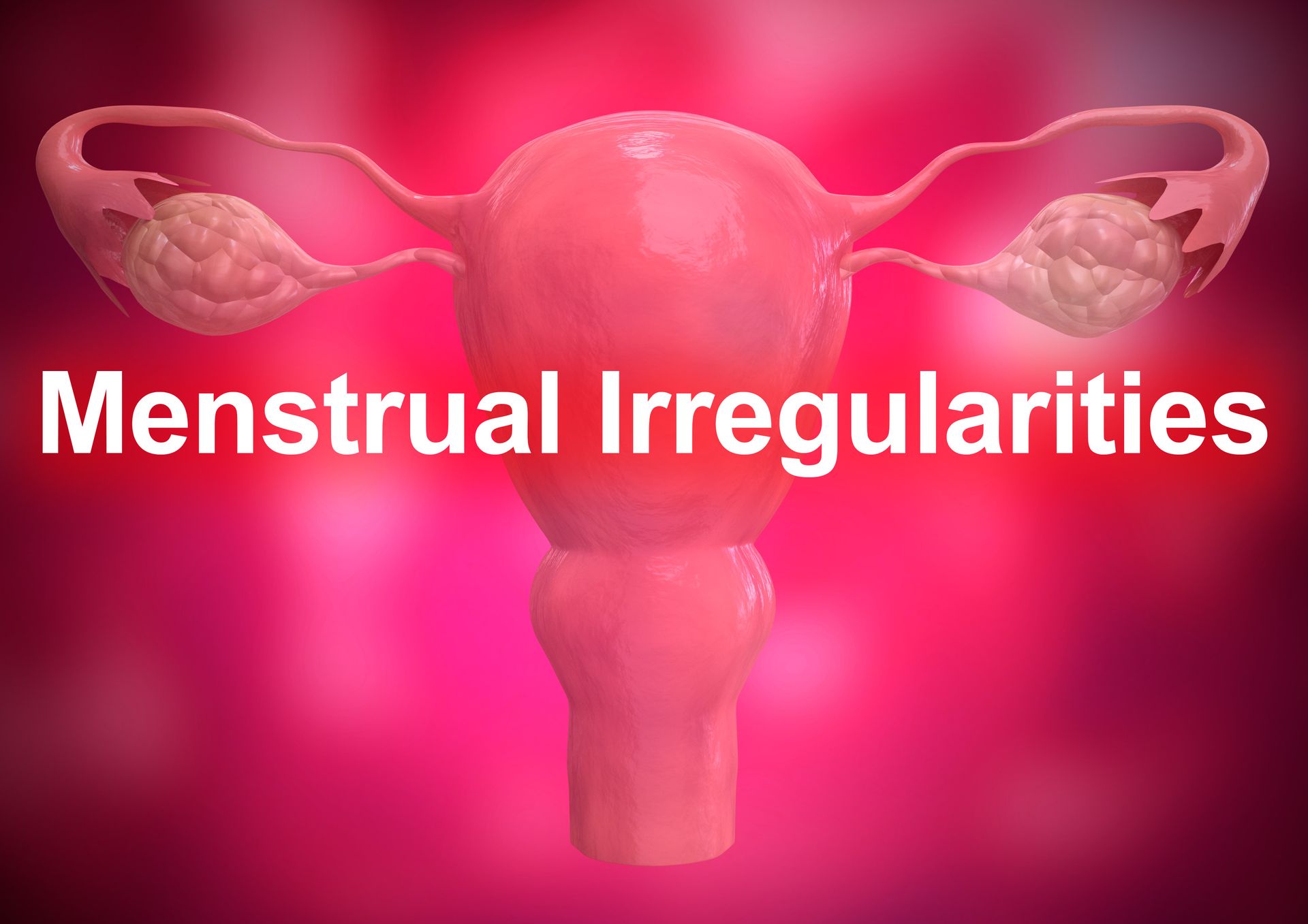
Most women experience a late or unusual period at some point. Stress, travel, illness or even changes in routine can temporarily shift your cycle. But when irregular periods become frequent, unpredictable or disruptive, it may be time to look deeper.
What Is Considered “Irregular”?
A typical menstrual cycle ranges from about 21 to 35 days. While no two cycles are identical, most people have a pattern that feels predictable.
Periods may be considered irregular if you notice:
- Cycles consistently shorter than 21 days or longer than 35 days
- Skipping periods for several months without pregnancy
- Bleeding between periods
- Very heavy bleeding or passing large clots
- Periods lasting longer than 7 days
- Sudden major changes from your usual pattern
Occasional variation is common. Repeated or extreme changes deserve medical attention.
Hormonal Shifts: A Common Cause
Your menstrual cycle is regulated by a delicate balance of hormones, including estrogen and progesterone. When that balance shifts, your cycle often changes too.
Hormonal fluctuations can happen due to:
- Weight changes
- Intense exercise
- Polycystic ovary syndrome (PCOS)
- Birth control adjustments
- Postpartum changes
- Breastfeeding
In many cases, these changes are manageable once identified. A provider can run blood tests to assess hormone levels and determine whether treatment or monitoring is needed.
Stress and Lifestyle Factors
Chronic stress has a direct impact on the hypothalamus, the part of the brain that helps regulate reproductive hormones. When stress levels rise, ovulation may be delayed or skipped entirely.
Major life events, emotional strain, poor sleep or high physical stress can lead to:
- Missed periods
- Longer cycles
- Lighter or heavier bleeding
If irregular periods began during a particularly stressful time, your provider may evaluate lifestyle factors alongside medical causes.
Stress-related cycle changes often improve once the underlying stress is addressed, but persistent irregularity still warrants evaluation.
Perimenopause: A Natural Transition
For women in their 40s, irregular periods are often one of the earliest signs of perimenopause. This transition phase before menopause can last several years. Common perimenopausal cycle changes include:
- Shorter cycles
- Skipped months
- Heavier or lighter bleeding
- Spotting between periods
While these changes can be normal, heavy bleeding, severe pain or bleeding after sex should not be ignored. Even during perimenopause, abnormal patterns should be evaluated to rule out other causes.
Your provider can assess whether symptoms align with hormonal transition or require further testing.
Thyroid Disorders and Menstrual Changes
The thyroid gland plays a key role in regulating metabolism and hormone balance. When thyroid function is disrupted, menstrual irregularities often follow. Both hypothyroidism and hyperthyroidism can cause:
- Irregular cycles
- Heavy or light bleeding
- Missed periods
- Fertility challenges
Because thyroid issues can also cause fatigue, weight changes, hair thinning or mood shifts, they are sometimes overlooked or misattributed.
A simple blood test can evaluate thyroid hormone levels and determine if treatment is needed.
When You Should Schedule an Evaluation
While occasional irregularity may not be concerning, you should see a doctor if:
- You miss three or more periods in a row and are not pregnant
- Bleeding is unusually heavy or prolonged
- You experience severe pelvic pain
- There is bleeding between periods
- Your cycle changes suddenly without explanation
- You are trying to conceive and cycles are unpredictable
Early evaluation helps identify manageable causes before they become larger concerns.
Your women’s health provider may recommend:
- Pregnancy testing
- Hormone level testing
- Thyroid screening
- Pelvic ultrasound
- Pap smear if indicated
- Evaluation for PCOS or other conditions
Many causes of irregular periods are treatable once properly diagnosed.
Fertility Considerations
Irregular cycles often signal irregular ovulation, which can make timing pregnancy more difficult. Addressing hormonal imbalances early improves reproductive planning and overall health outcomes.
Even if pregnancy is not your goal, cycle regularity is an important indicator of general wellness.
Do Not Ignore Persistent Changes
It can be tempting to wait and see if your cycle regulates on its own. In some cases, it does. But persistent irregular periods can indicate underlying hormonal, metabolic or structural issues that benefit from timely care.
Your menstrual cycle is often called a “vital sign” because it reflects overall health. When it changes significantly, it is worth understanding why.
Personalized Women’s Health Care at Our Houston Health Centers
Do not ignore persistent irregular periods or unexplained changes. Contact St. Hope Healthcare today at (713) 778-1300 to schedule an appointment and receive compassionate, expert care tailored to your needs.