
Recent Posts





What Is Metabolic Syndrome and Why Does It Matter?
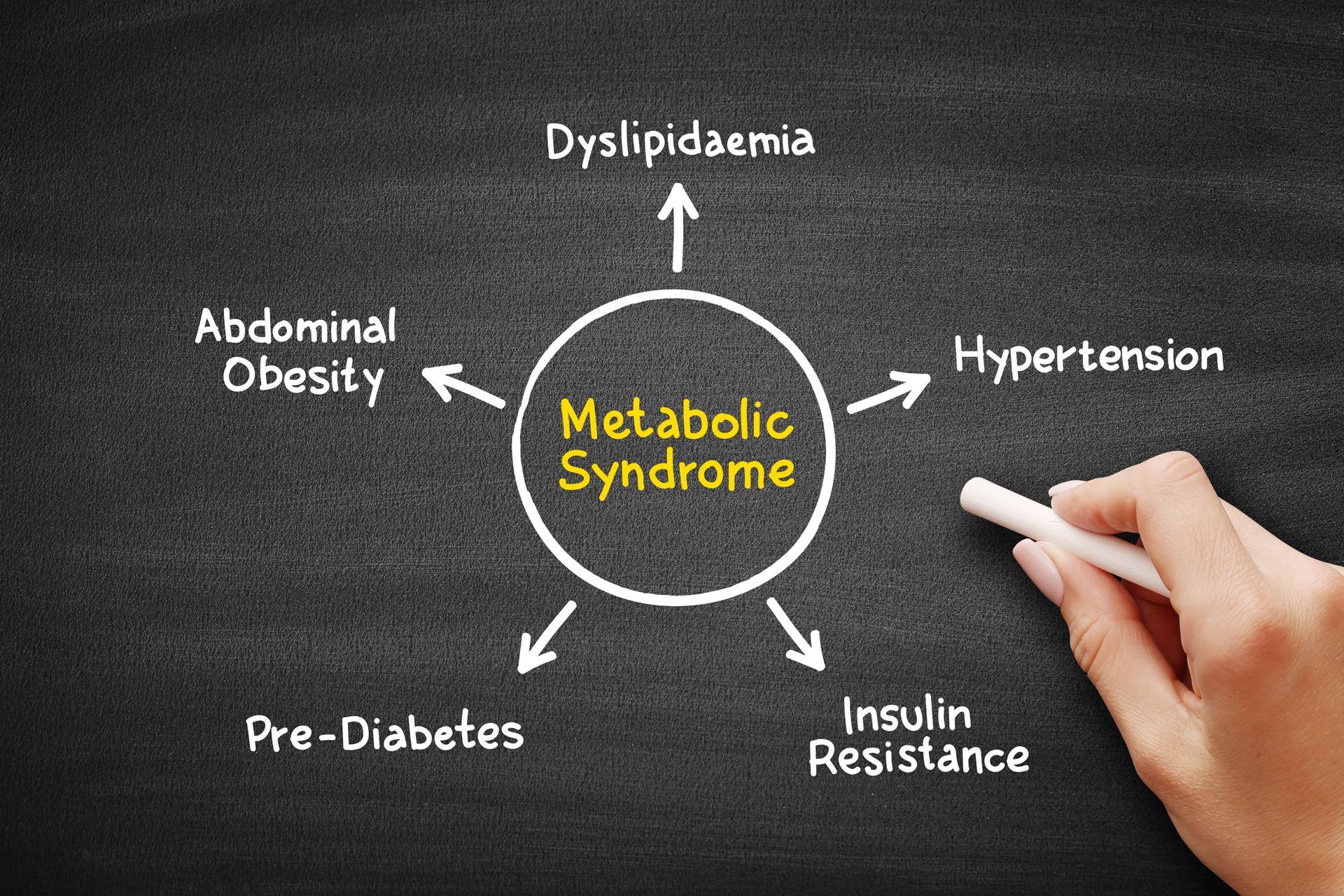
Metabolic syndrome is not a single disease. It is a cluster of risk factors that tend to occur together and significantly increase your chances of developing heart disease, stroke and type 2 diabetes. When these conditions overlap, they place added strain on your body’s cardiovascular and metabolic systems.
What Is Metabolic Syndrome?
Metabolic syndrome is diagnosed when a person has at least three of the following five risk factors:
- Increased waist circumference, often described as abdominal obesity
- Elevated blood pressure
- High fasting blood sugar
- High triglycerides
- Low HDL, or “good,” cholesterol
Each of these conditions alone may seem manageable. Together, they create a much higher risk profile.
Metabolic syndrome reflects how closely weight, blood pressure, cholesterol and blood sugar are connected. When one becomes imbalanced, the others often follow.
How Are These Factors Connected?
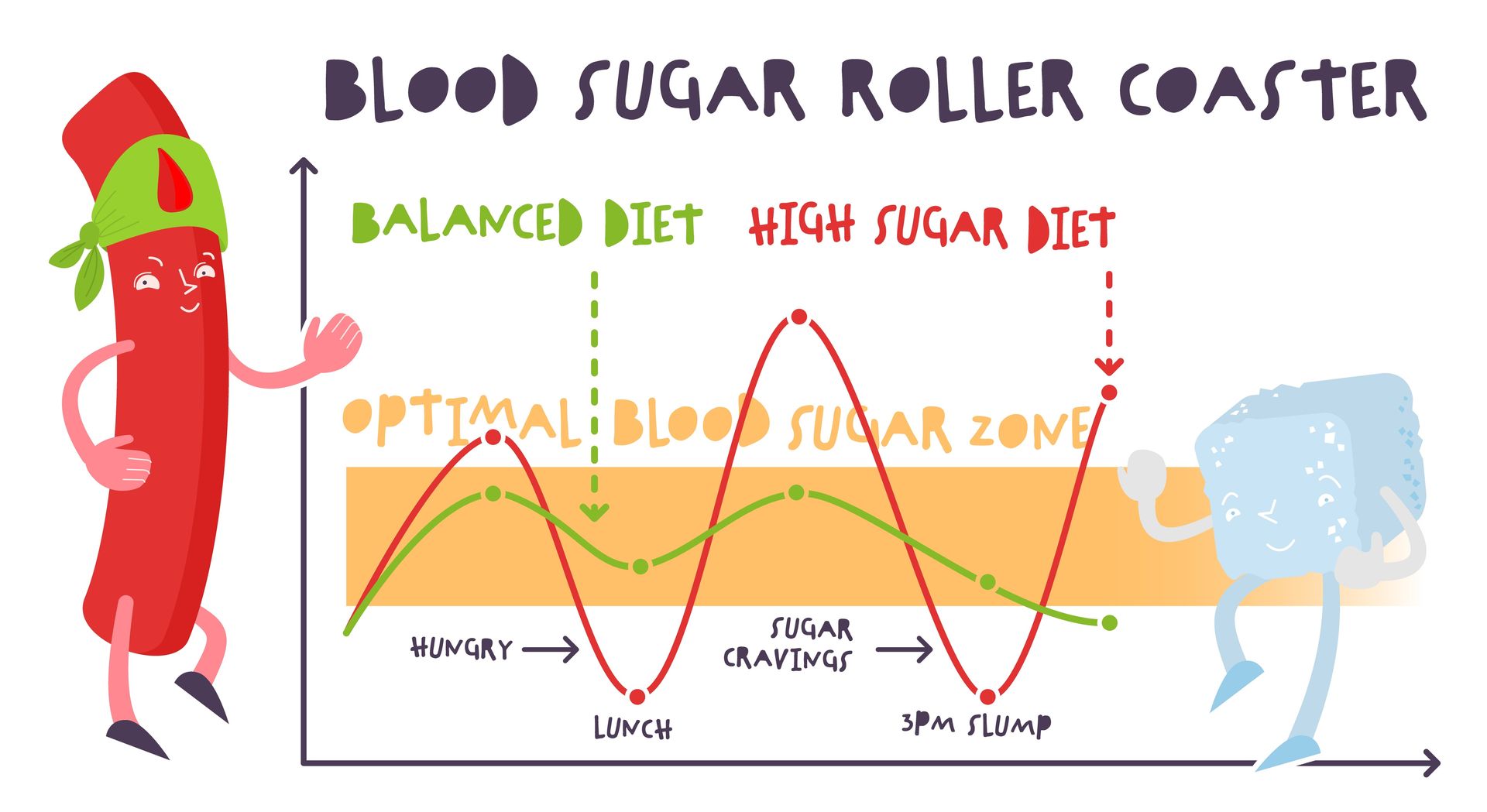
At the center of metabolic syndrome is insulin resistance. Insulin is a hormone that helps move sugar from your bloodstream into your cells for energy. When your body becomes resistant to insulin, blood sugar levels rise.
To compensate, your body produces more insulin. Over time, this process contributes to:
- Increased fat storage, especially around the abdomen
- Higher blood pressure
- Elevated triglycerides
- Lower HDL cholesterol
This combination stresses blood vessels and increases inflammation throughout the body. That is why metabolic syndrome significantly raises the risk of heart disease and stroke.
In short, metabolic syndrome is not just about weight. It is about how your metabolism functions as a whole.
Why Does It Matter?
Many people with metabolic syndrome feel fine. There may be no obvious symptoms in the early stages. That is what makes it dangerous.
Without intervention, metabolic syndrome increases the risk of:
- Type 2 diabetes
- Coronary artery disease
- Heart attack
- Stroke
- Fatty liver disease
- Kidney disease
The presence of metabolic syndrome essentially signals that your body is under chronic metabolic stress. Identifying the risk factors early allows for targeted intervention before irreversible damage occurs.
Who Is at Risk?
Metabolic syndrome is more common in people who:
- Carry excess weight, particularly around the midsection
- Have a family history of diabetes or heart disease
- Live a sedentary lifestyle
- Have poor dietary habits
- Are over age 40
However, it can also occur in younger adults, especially when lifestyle and genetic factors overlap.
Stress, poor sleep and hormonal imbalances can also contribute. The condition does not develop overnight. It builds gradually through years of metabolic strain.
How Is Metabolic Syndrome Diagnosed?
Diagnosis typically occurs during routine primary care visits. Your provider will measure:
- Waist circumference
- Blood pressure
- Fasting blood sugar
- Lipid panel, including triglycerides and HDL cholesterol
You do not need specialized testing. Standard lab work and vital signs often reveal the pattern.
Can Metabolic Syndrome Be Reversed?
Yes, metabolic syndrome is often reversible with lifestyle changes and medical management. Treatment usually focuses on improving each component of the syndrome:
- Weight Management: Losing even 5 to 10 percent of body weight can significantly improve blood pressure, blood sugar and cholesterol levels.
- Nutrition: A balanced diet rich in whole foods, lean proteins, healthy fats and fiber supports metabolic health. Reducing processed foods and excess sugar can lower triglycerides and improve insulin sensitivity.
- Physical Activity: Regular exercise improves insulin function, lowers blood pressure and raises HDL cholesterol. Even brisk walking for 30 minutes most days makes a measurable difference.
- Medication When Needed: Some patients benefit from medications to control blood pressure, cholesterol or blood sugar. Medication does not replace lifestyle changes, but it can reduce risk while improvements take effect.
Why Early Detection Matters
Metabolic syndrome often develops quietly over time. You may not notice changes in blood sugar or cholesterol until they become severe. By the time diabetes or heart disease is diagnosed, damage may already be underway.
Routine screenings allow providers to detect metabolic changes before complications arise. Early intervention reduces long term risk and can prevent progression to more serious disease.
Think of metabolic syndrome as a warning light. It signals that adjustments are needed. Addressing the issue early can dramatically change your health trajectory.
Take Control of Your Metabolic Health in Houston
If you have been told your blood pressure, cholesterol or blood sugar is elevated, or if you are concerned about weight gain and cardiovascular risk, it may be time for a comprehensive evaluation.
Call 713-778-1300 today to schedule your appointment and take the first step toward better metabolic health with our team at St. Hope Healthcare in Houston.