
Recent Posts


Why Oral Health Is Vital to Your Metabolic and Heart Health

Most people think of oral health in terms of cavities, gum disease and fresh breath. But what many don’t realize is that your mouth offers valuable clues about your overall health, especially your metabolic and heart health. Poor dental care doesn’t just affect your smile; it can increase your risk for serious conditions like diabetes, high blood pressure and cardiovascular disease.
At St. Hope Healthcare, we take a holistic approach to your well-being. We know that your body is interconnected, and caring for your teeth and gums can have a profound impact on the rest of your system. That’s why we offer both primary care and dental services to make sure nothing slips through the cracks when it comes to your health.
The Mouth-Body Connection
Your mouth is full of bacteria, some helpful, others harmful. When you maintain good oral hygiene, you keep those bacteria in balance. But when you neglect dental care, harmful bacteria can multiply and cause inflammation and infection. These problems don’t always stay isolated to your mouth.
Oral inflammation, especially from gum disease (periodontitis), can allow bacteria to enter the bloodstream and spread to other parts of the body. Once there, they can cause or worsen conditions like clogged arteries, elevated blood sugar and insulin resistance.
In other words, gum disease doesn’t just lead to tooth loss; it may be a red flag for more serious chronic health issues.
Oral Health and Heart Disease
Multiple studies have found a strong link between poor oral health and an increased risk of heart disease. People with gum disease are significantly more likely to suffer from heart attacks and strokes.
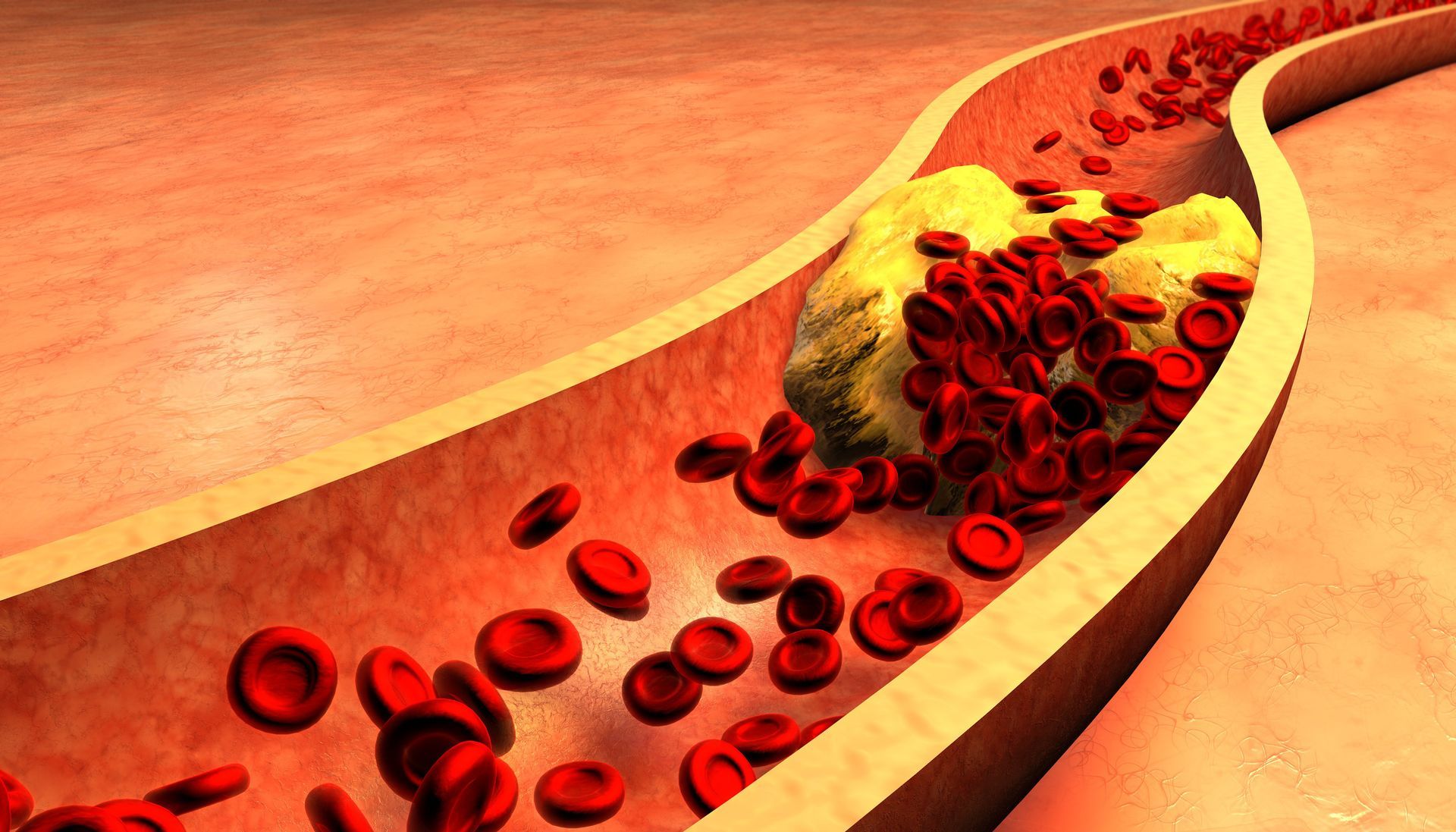
That’s because gum inflammation can trigger a systemic inflammatory response, which contributes to the development of atherosclerosis (hardening of the arteries). Inflammation and bacteria from your mouth may also cause plaque buildup in your arteries, increasing the risk of blood clots and restricted blood flow.
It’s not just speculation; this connection is recognized by organizations like the American Heart Association. While more research is still needed to determine exact mechanisms, the correlation is strong enough that taking care of your oral health is considered a protective step for your heart.
Oral Health and Metabolic Health
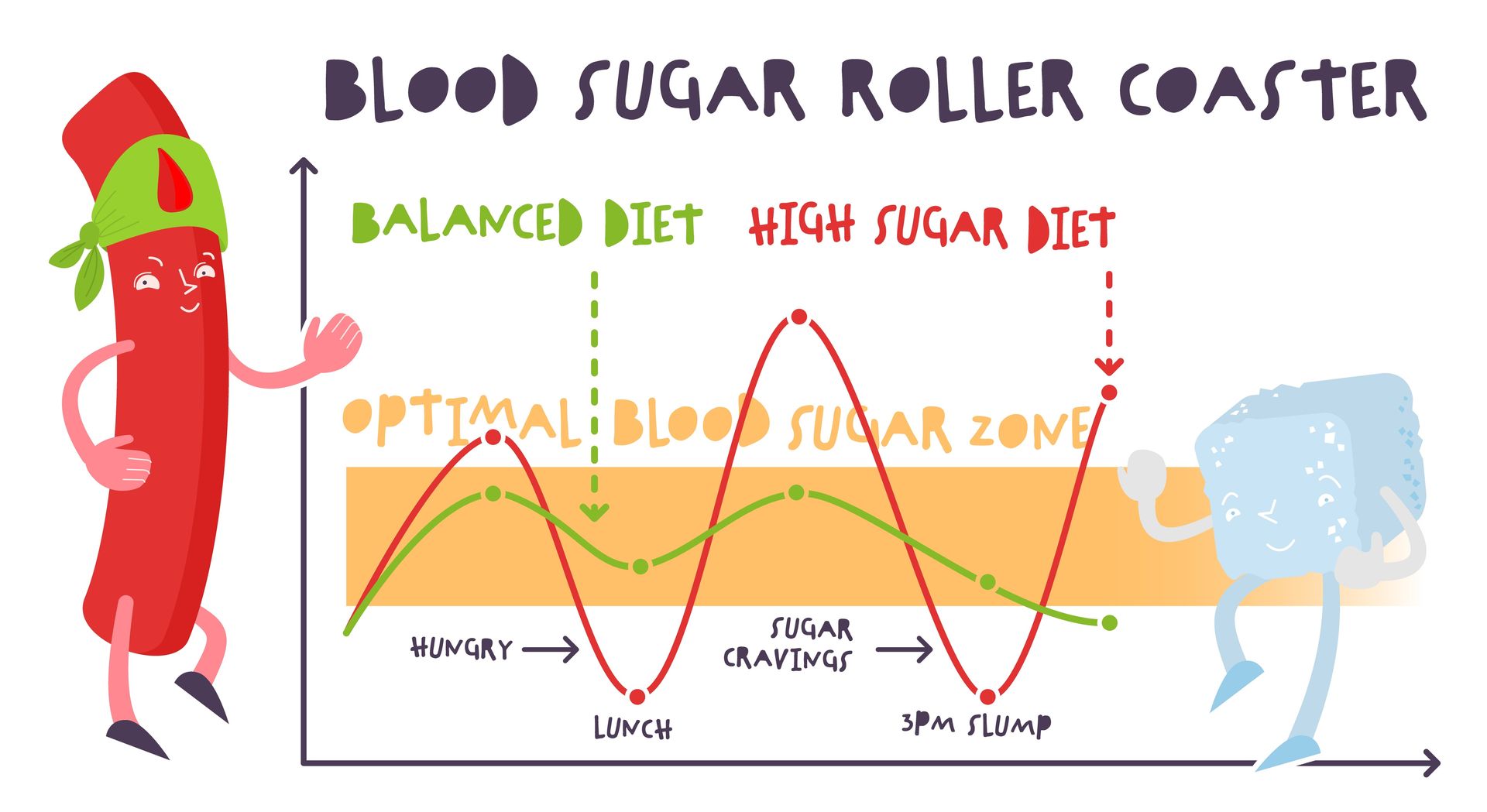
If you have diabetes or are at risk of developing it, paying attention to your gums is especially important. Chronic gum disease can make it harder to manage blood sugar, and high blood sugar levels can, in turn, worsen oral health. It’s a vicious cycle.
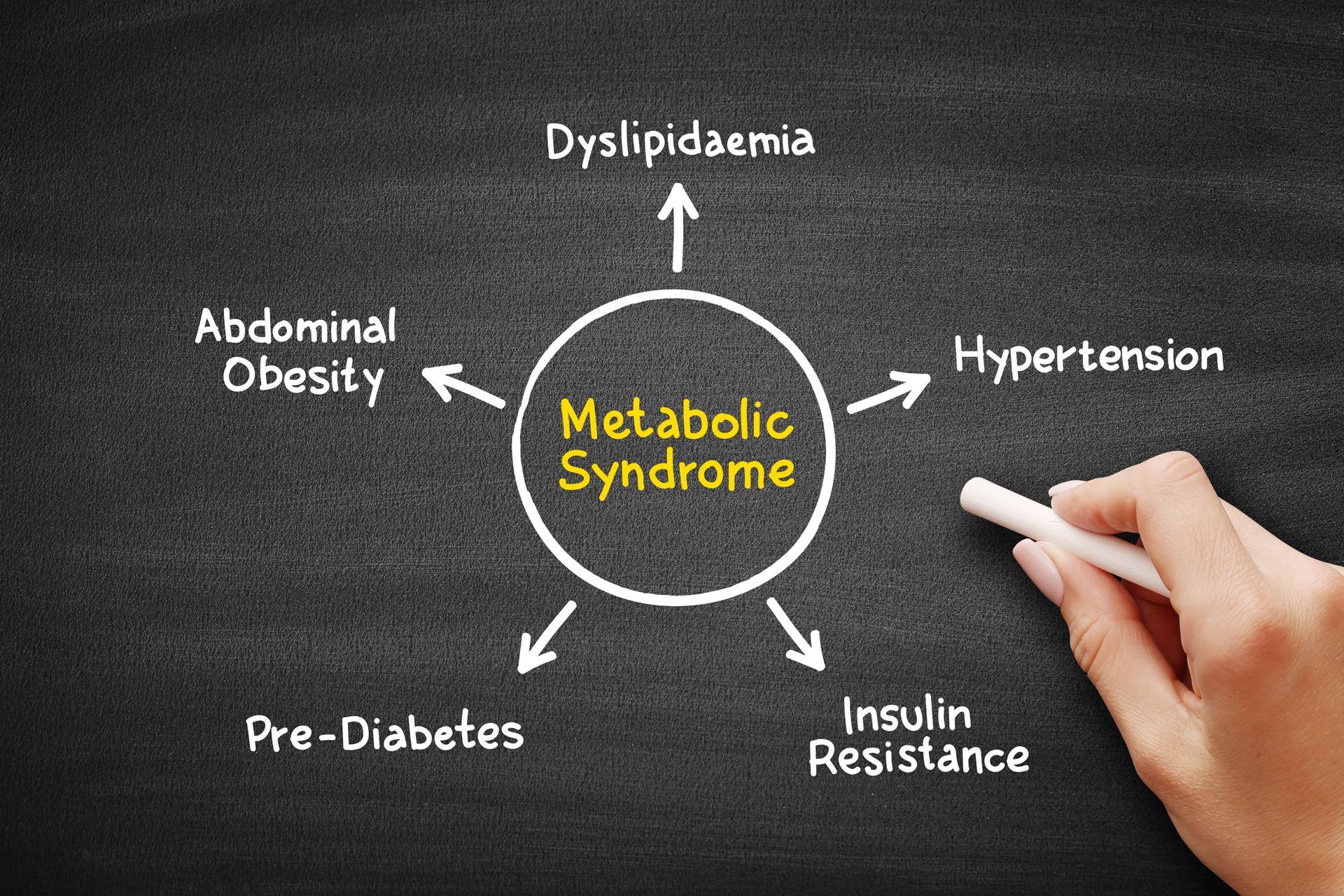
When your body is in a state of chronic inflammation, as is common in gum disease, it may have a harder time processing insulin. This increases insulin resistance, a key driver of Type 2 diabetes.
And for people already living with diabetes, gum disease can make symptoms worse and increase the likelihood of complications. That’s why regular dental checkups and cleanings should be part of any diabetes management plan.
How Preventive Care Can Make a Difference
The good news? These outcomes aren’t inevitable. With regular preventive care, including both visits to your primary care physician and dental cleanings, you can identify warning signs early and stop small problems from becoming big ones. A good integrated preventative care plan should include:
- Dental cleanings remove plaque and tartar that can’t be reached with brushing alone.
- Oral exams can identify signs of infection, inflammation and even undiagnosed diabetes.
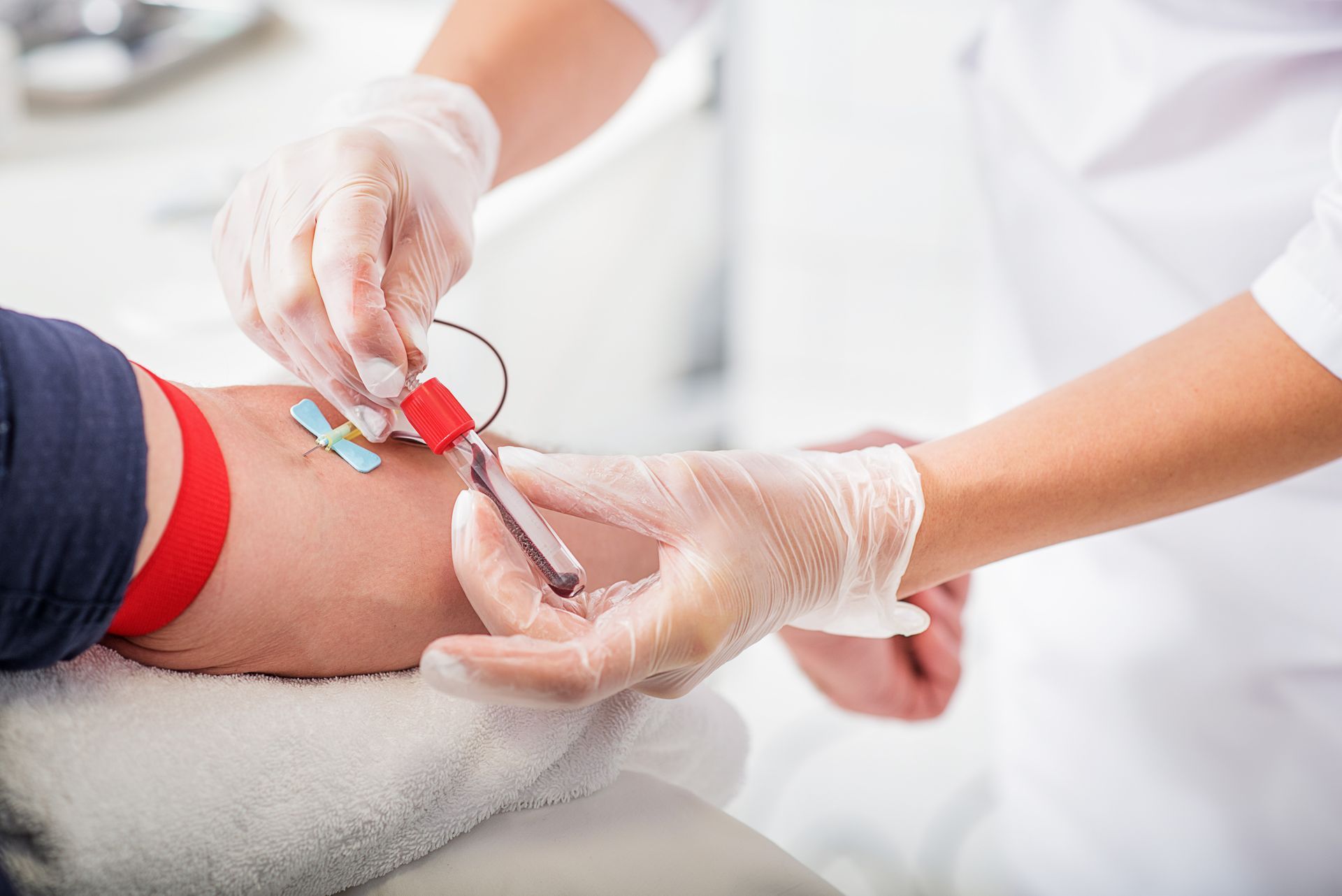
- Primary care screenings can monitor blood pressure, cholesterol and blood sugar levels. These are key markers of heart and metabolic health.
- Health education can help you understand how your lifestyle choices affect both oral and systemic health.
At St. Hope Healthcare, we believe in making this type of whole-body care accessible and stress-free. With coordinated services under one roof, we make it easy to stay on top of your health without juggling multiple appointments at different clinics.
Tips for Protecting Your Oral and Overall Health
You don’t have to be perfect, but a few small steps go a long way:
- Brush twice a day and floss daily.
- Don’t skip dental cleanings. Even if you feel fine, gum disease can progress silently.
- Limit sugary foods and drinks. Sugar feeds the bacteria that cause plaque and decay.
- Avoid tobacco. Smoking worsens gum disease and increases your risk for heart disease and diabetes.
- Drink plenty of water. It helps wash away food particles and bacteria.
- Visit your primary care provider regularly. Monitoring your overall health supports better outcomes, oral and beyond.
Your Health Starts With Your Smile
Oral health is far more than a cosmetic issue. It’s a key component of your cardiovascular and metabolic well-being. If you’re only visiting the dentist when something hurts, it’s time to think bigger. A healthy mouth can support a healthier body.
Whether you need a dental cleaning, blood pressure check or support managing a chronic condition, St. Hope Healthcare is here to help. Our team of caring providers works together to treat the whole you, not just your symptoms.
Call us at (713) 778-1300 to schedule your checkup and let us help you build a strong foundation for lifelong wellness.