
Recent Posts





Can You Get STI Testing Without a Full Exam?
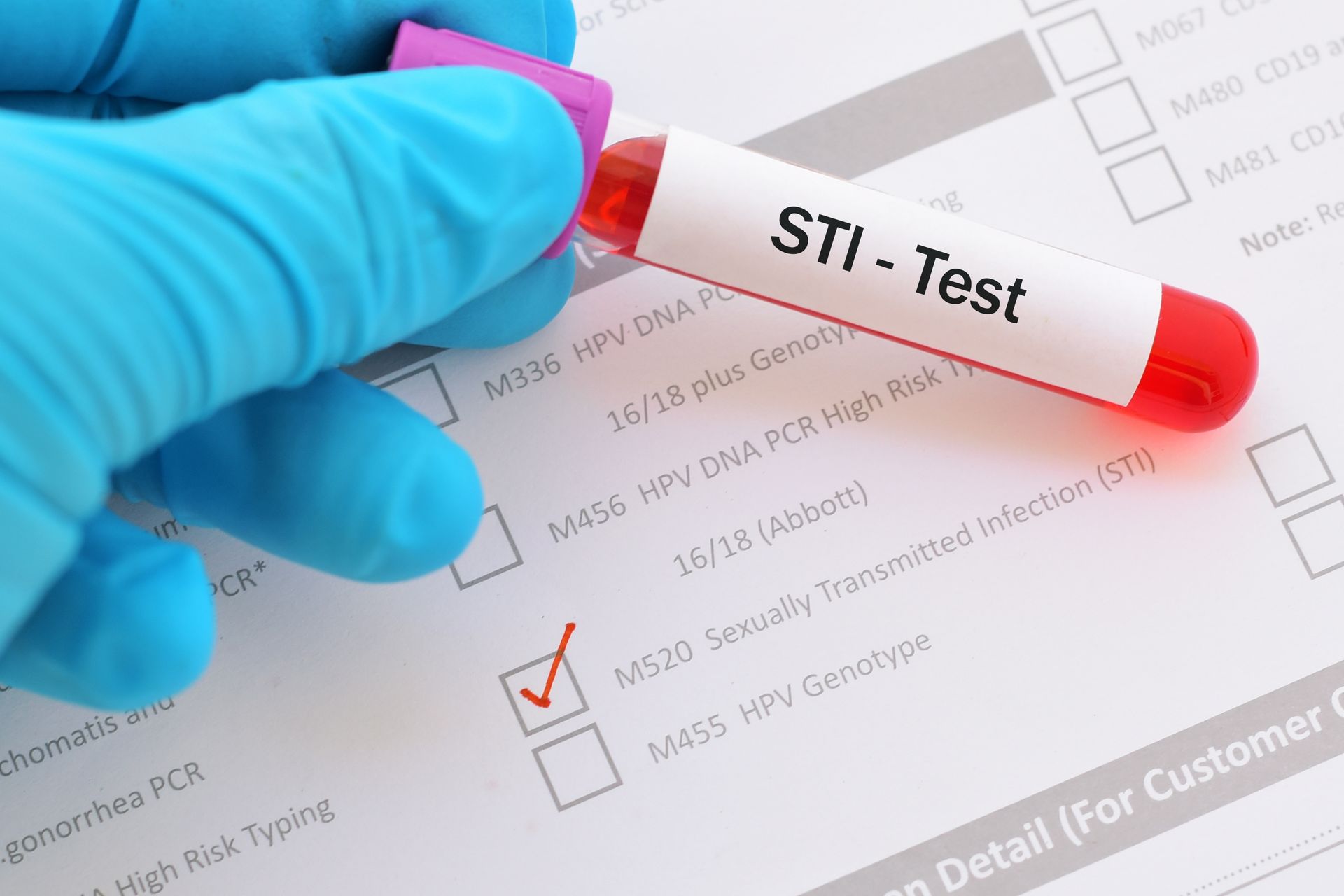
For many people, the idea of getting tested for sexually transmitted infections (STIs) comes with hesitation. Sometimes it’s not the test itself that feels intimidating; it’s the worry about what the process might involve. A common misconception is that STI testing always requires a full pelvic or physical exam, which can feel invasive or embarrassing. Because of this, many delay or avoid testing altogether.
The good news? In most cases, STI testing does not require a full exam. At community health centers like St. Hope Healthcare, patients can get tested quickly, affordably and confidentially, without the stress of a full-body exam or judgment.
Why Some Patients Avid Testing
- Fear of embarrassment or judgment: Many worry about what the provider might think or say.
- Anxiety about discomfort: The idea of a pelvic or full physical exam can feel intimidating or embarrassing.
- Concerns about cost or privacy: Some fear the cost of testing or worry their results won’t be confidential.
- Belief that it’s unnecessary: If there are no symptoms, people may assume they don’t need testing.
Unfortunately, avoiding testing comes with risks. Many STIs don’t cause symptoms right away, but they can still be transmitted to partners and cause long-term health problems if untreated.
When a Physical Exam Is Not Required
In most situations, STI testing is simple, fast and does not involve a full exam. Some of the common testing methods include:
- Urine tests:
Detect infections like chlamydia and gonorrhea with just a quick sample.
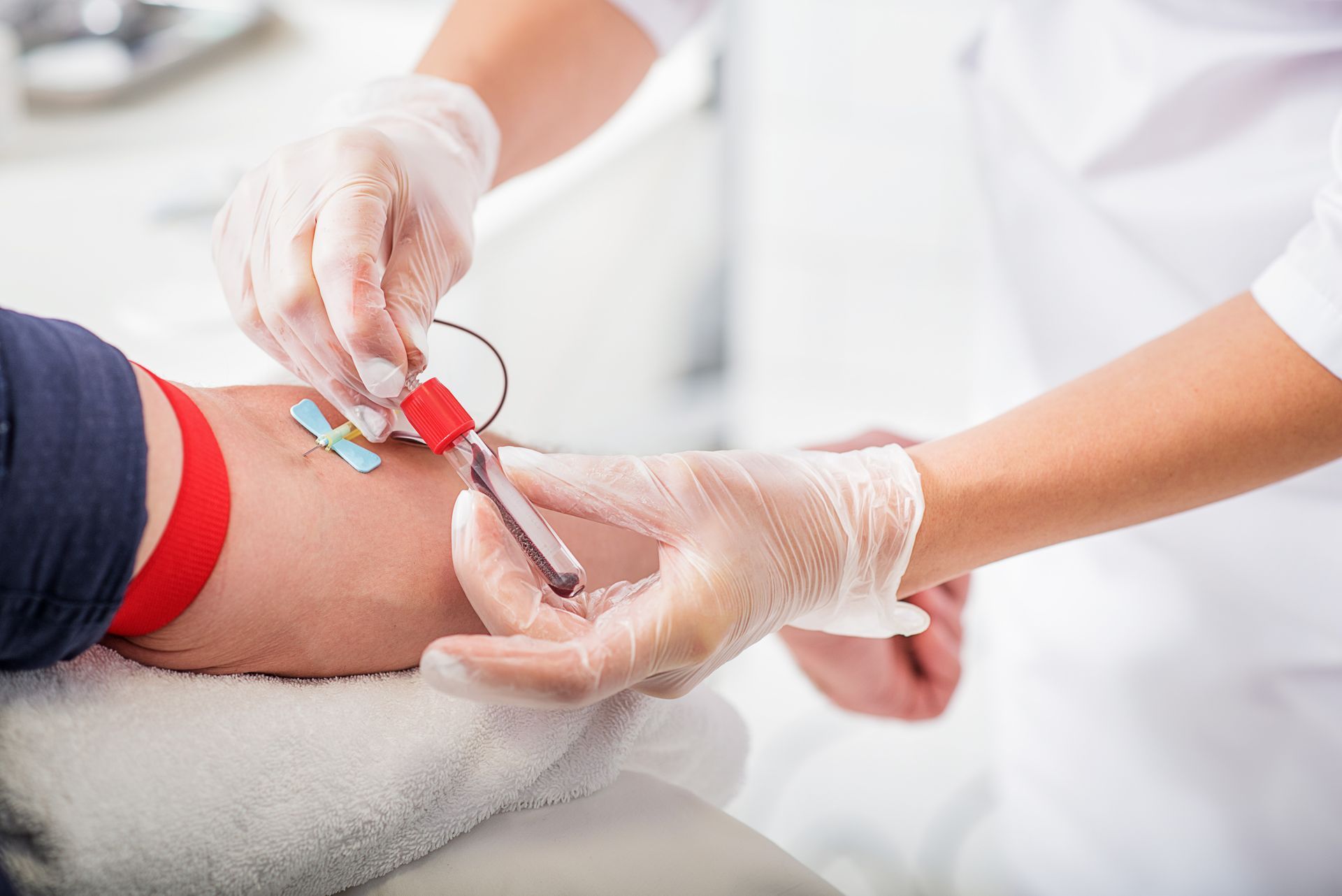
- Blood tests: Screen for HIV, syphilis and hepatitis with a simple blood draw.
- Swab tests: A quick swab of the throat, genitals or rectum may be used to check for certain infections.
For many patients, testing involves nothing more than providing a urine or blood sample. This means no pelvic exam, no undressing and no prolonged procedure. This approach makes testing accessible and comfortable for people who might otherwise avoid it.
When a Physical Exam May Be Helpful
While most STI testing doesn’t require a full exam, there are cases where it can be useful:
- Visible symptoms: If sores, rashes, unusual discharge or other symptoms are present, a provider may recommend an exam for accurate diagnosis and to ensure you get prescribed the best treatment.
- Pelvic or reproductive health concerns:
For patients experiencing pain, bleeding or suspected pelvic inflammatory disease, a pelvic exam may provide important information.
- Inconclusive results: If initial test results are unclear, an exam can help confirm the cause and guide treatment.
Even when a physical exam is necessary, providers at community health centers like St. Hope Healthcare work to make the process respectful, compassionate and as stress-free as possible.
Why Getting Tested Matters—Even If You Feel Fine
One of the most important reasons to get tested is that many STIs have no symptoms in the early stages. You may feel perfectly healthy but still carry an infection. Without testing, there’s no way to know for sure.
Left untreated, STIs can lead to serious health consequences, including:
- Infertility or pregnancy complications
- Chronic pelvic pain
- Increased risk of contracting or transmitting HIV
- Long-term organ damage from infections like syphilis or hepatitis
Regular testing protects not only your health but also the health of your partners. It’s one of the most responsible and caring steps you can take for yourself and others.
Reducing the Stigma Around Testing
Another barrier many people face is the stigma surrounding STIs and testing. Too often, people avoid seeking care because they worry it will reflect poorly on them. In reality, the opposite is true.
It shows you prioritize your own health and the health of others over temporary discomfort or awkwardness.
At community health centers like St. Hope Healthcare, testing is confidential, affordable and judgment-free. Providers are focused on your health and well-being, not your choices. Patients can feel safe knowing their privacy is protected and that they’ll receive respectful care at every step.
Making STI Testing Part of Your Routine
Instead of thinking of STI testing as something you only do when you’re worried, it’s best to treat it as a regular part of your healthcare routine. General recommendations for STI testing include:
- At least once a year for sexually active adults
- Every 3–6 months for those with new or multiple partners or those who don’t consistently use protection
- Anytime symptoms appear or if you learn a partner may have been exposed to an STI
- Routine testing removes the guesswork and provides peace of mind.
Compassionate Care & STI Testing in Bellaire, Conroe, Houston, Sugar Land and Dickinson
At St. Hope Healthcare, we understand that STI testing can feel stressful, but we’re here to make it simple, confidential and supportive. In many cases, all that’s required is a quick urine or blood test.
And if an exam is recommended, our team provides care with compassion and respect, always prioritizing your comfort and privacy.
Don’t let fear or misconceptions keep you from protecting your health. Schedule your confidential STI test at St. Hope Healthcare or visit one of our walk-in clinics today.