
Recent Posts




Why One Abnormal Blood Sugar Result Doesn’t Always Mean Diabetes
Receiving an abnormal blood sugar result can be stressful, particularly for individuals with diabetes risk factors like family history, weight-related concerns or prior borderline readings.
There’s a common misconception that one elevated or low reading is equivalent to a diagnosis.
In reality, blood sugar levels can fluctuate for many reasons, and a single abnormal result rarely tells the full story. Healthcare providers look at patterns over time, not isolated numbers.
Blood Sugar Naturally Fluctuates
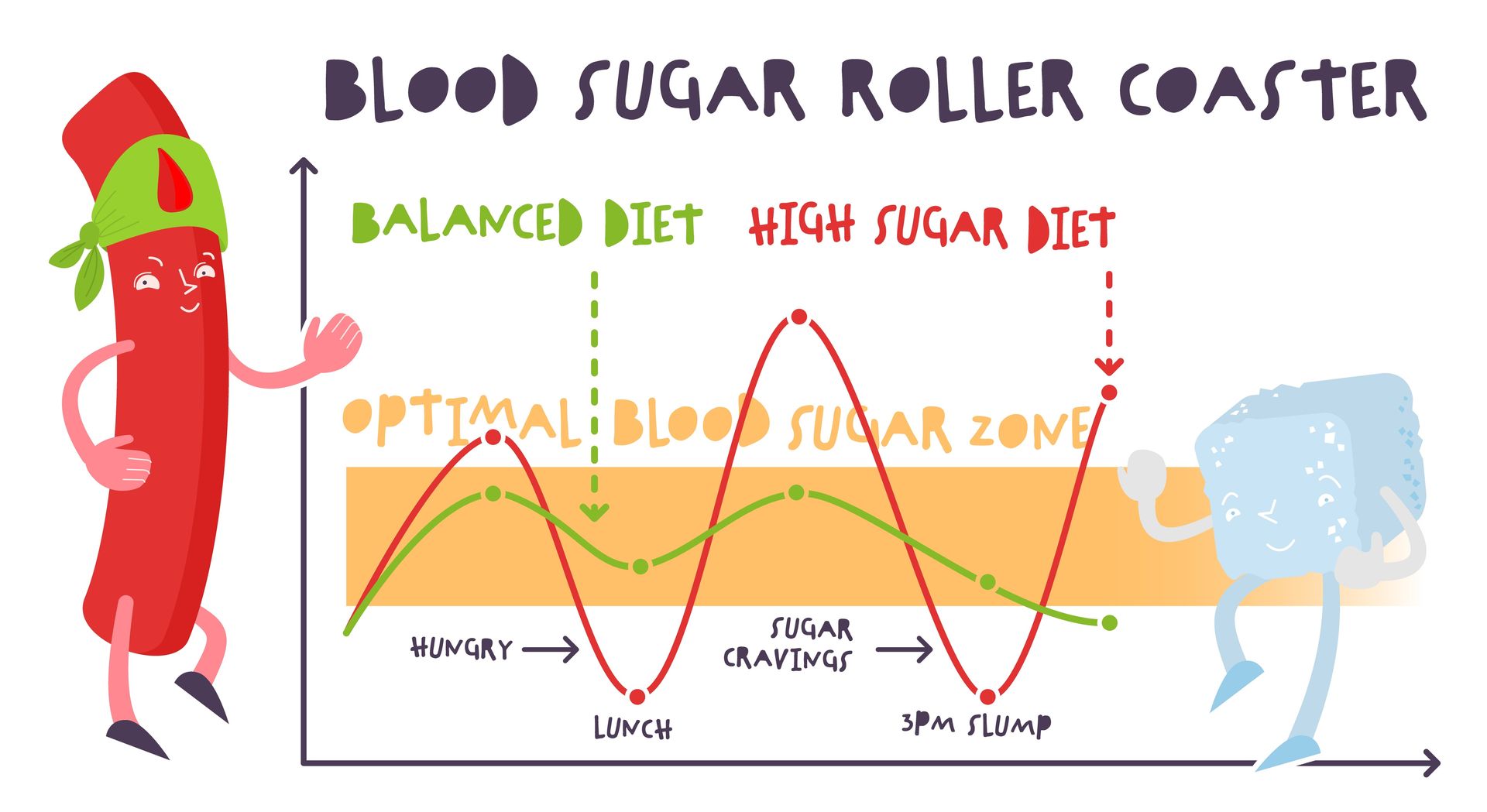
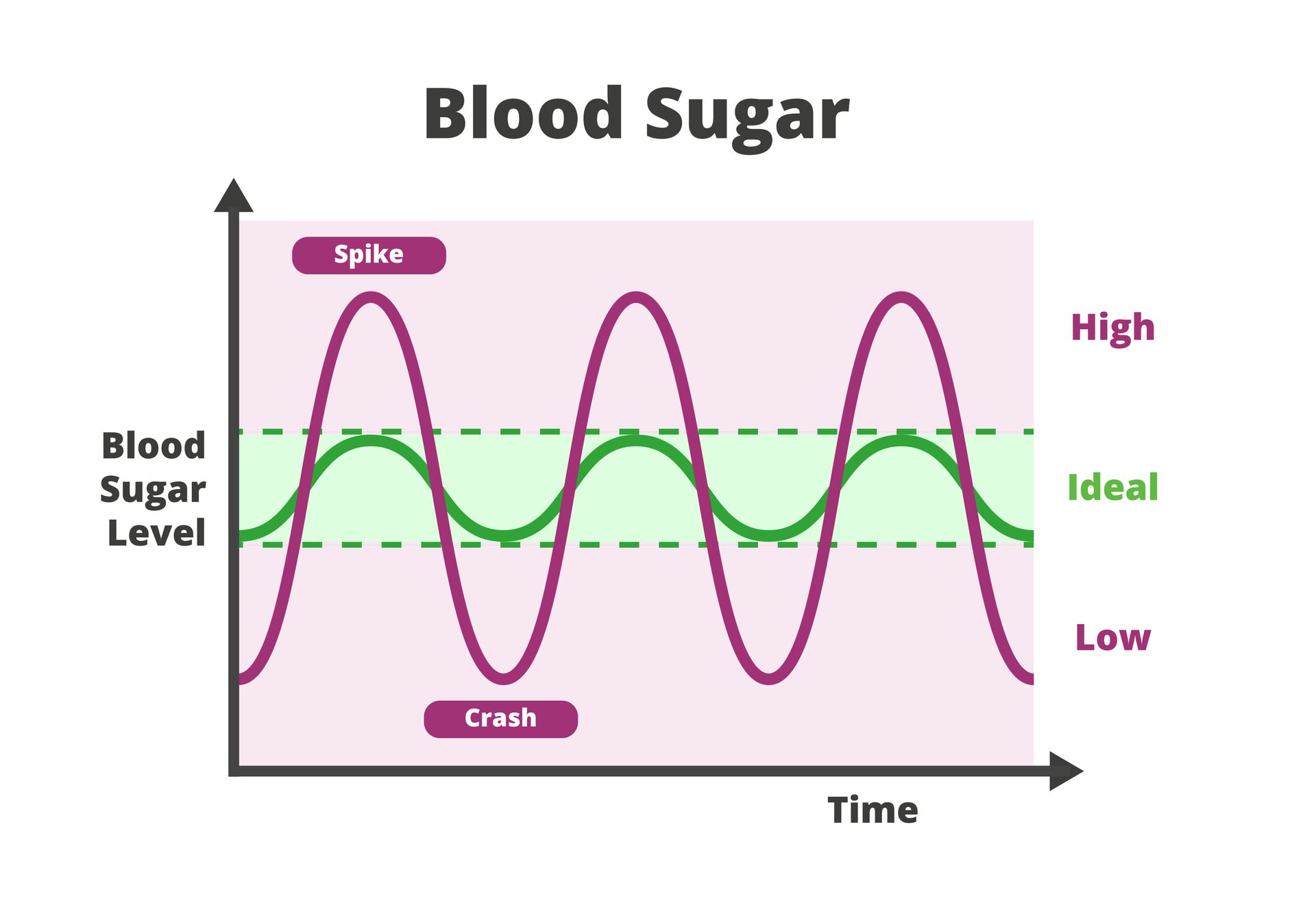
Blood sugar is not static. It changes throughout the day based on food intake, activity level, stress, sleep and illness. A single reading captures only one moment in time.
For example, blood sugar may be higher after a large meal, during periods of stress or after poor sleep. It may be lower after exercise or if meals are delayed. These fluctuations are normal and expected, even in people without diabetes.
Because of this variability, providers avoid diagnosing diabetes based on a single abnormal value.
Timing of the Test Matters
When and how a blood sugar test is taken can significantly affect the result. Fasting tests, random glucose tests and post-meal tests all measure different things.
If you accidentally ate or drank anything other than water before a test that requires fasting, the result may appear higher than it actually is. Similarly, random glucose tests can be influenced by what was eaten earlier in the day, particularly within the hours leading up to the test.
Providers take timing into account before drawing conclusions and usually repeat testing under controlled conditions to confirm results.
Temporary Factors Can Raise Blood Sugar
Many short-term factors can temporarily increase blood sugar levels. These include:
- Acute illness or infection
- Recent injury or surgery
- Stress or anxiety
- Certain medications, such as steroids
- Dehydration
In these situations, blood sugar may return to normal once the underlying issue resolves. This is why providers often wait and recheck levels rather than diagnosing based on a single test.
Lab Variability Is Real
While laboratory testing is reliable, small variations can occur. Differences in equipment, sample handling or even hydration status can influence results slightly.
An abnormal result that is only mildly outside the normal range may fall back into range on repeat testing. Providers should consider the degree of abnormality along with clinical context before giving you a concrete diagnosis.
Diagnosis Requires Consistent Patterns
Diabetes is diagnosed based on consistent findings, not one result. Providers typically look for:
- Repeated elevated fasting glucose levels
- Elevated hemoglobin A1C results over time
- Abnormal results on more than one type of test
This approach reduces the risk of misdiagnosis and ensures that treatment decisions are based on reliable information.
Prediabetes and Borderline Results
Sometimes an abnormal result reflects prediabetes rather than diabetes. Prediabetes means blood sugar levels are higher than normal but not high enough for a diabetes diagnosis.
This distinction matters. Prediabetes does not automatically progress to diabetes, especially when lifestyle changes are made early. Providers often use borderline results as an opportunity for prevention rather than labeling.
Symptoms Matter Too
Blood sugar results are interpreted alongside symptoms. Many people with one abnormal result feel completely normal and have no signs of diabetes.
Providers consider symptoms such as increased thirst, frequent urination, unexplained weight loss or fatigue when evaluating results. The absence of symptoms may support a more cautious, observational approach.
Why Repeat Testing Is Common
Repeat testing allows providers to confirm whether an abnormal result was temporary or part of a trend. This is especially important when results are only mildly elevated.
As a patient, waiting and retesting can feel frustrating, but it protects you from unnecessary diagnoses and treatments. It also allows time for temporary factors to resolve if they are affecting your test results.
What You Can Do After an Abnormal Result
If you receive an abnormal blood sugar result, helpful next steps may include:
- Following instructions for repeat testing (like fasting if necessary)
- Reviewing all medications and supplements you’re using with your provider
- Noting recent illness, stress or changes in routine, as some may affect blood sugar levels
- Maintaining balanced meals and regular activity
Avoid making drastic changes to your diet or lifestyle before retesting, and try not to assume the worst based on one number.
Schedule Diabetes Testing With Our Healthcare Team in Houston
St. Hope Healthcare offers patient-centered care focused on accurate diagnosis, prevention and long-term wellness. Call us at (713) 778-1300 to schedule an appointment, or visit one of our health centers in Houston, Bellaire, Conroe, Sugar Land and Dickinson for blood sugar testing or a second opinion.