
Recent Posts


What “Indeterminate” or “Inconclusive” HIV Results Mean, and What Happens Next
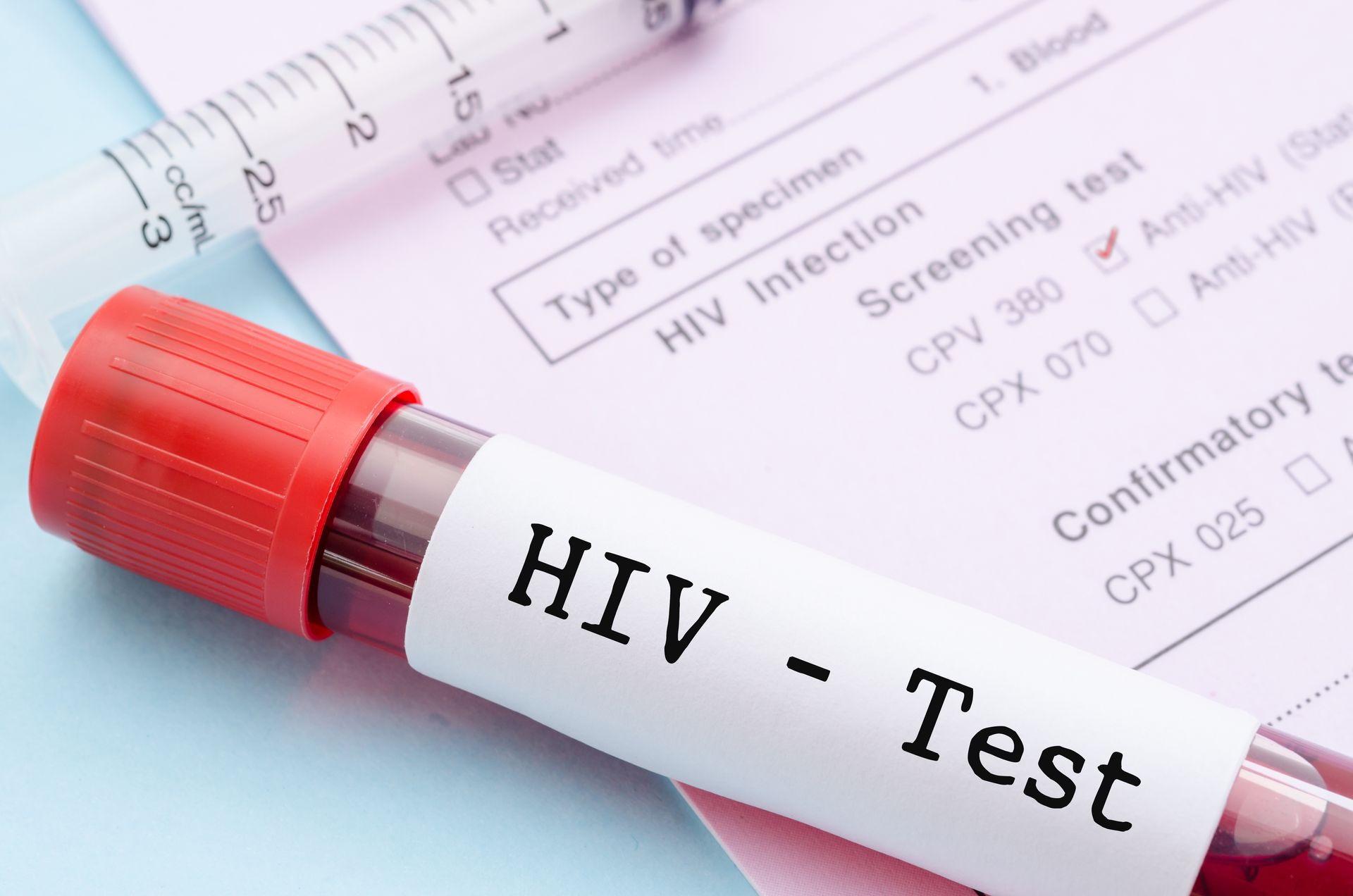
Getting tested for HIV is already an emotionally loaded experience. So when results come back labeled “indeterminate” or “inconclusive,” it can feel especially frightening. These rarely discussed terms are do not mean the same thing as a positive result.
Indeterminate or inconclusive HIV results are uncommon, usually temporary and almost always resolved with follow-up testing.
What Does “Indeterminate” or “Inconclusive” Actually Mean?
An indeterminate or inconclusive HIV test result means that the test did not provide a clear positive or negative answer.
Something in the test triggered a partial or unclear reaction, but not enough to meet the criteria for a confirmed diagnosis.
This does not mean:
- You are HIV positive
- The test was “wrong.”
- You will remain in diagnostic limbo
It simply means more information is needed.
Different labs and tests may use the terms “indeterminate” and “inconclusive” slightly differently, but both point to the same outcome: follow-up testing is required.
Why Do These Results Happen?
Indeterminate or inconclusive results are rare, but they can occur for several reasons, most of which are not related to HIV infection. Common causes include:
- Early testing during the window period: If exposure was recent, the immune system may not yet have produced a clear antibody response.
- Non-specific antibody reactions: Some people naturally produce antibodies that weakly resemble HIV antibodies without having HIV.
- Recent vaccinations or infections: Flu shots, autoimmune conditions, pregnancy or other viral illnesses can occasionally cause cross-reactivity.
- Technical or sample-related factors: Lab variability, sample handling or test sensitivity can contribute.
Importantly, these results are not a sign that something is “wrong” with you.
Which Tests Are Most Likely to Produce These Results?
Indeterminate or inconclusive outcomes most often appear during screening or confirmatory stages, not final diagnosis. They may occur with:
- Fourth-generation antigen/antibody tests
- Supplemental antibody differentiation assays
- Older Western blot–based testing (now largely phased out)
Modern testing algorithms are designed specifically to resolve uncertainty quickly, which is why inconclusive results almost always lead to clear answers within a short timeframe.
What Happens Next After an Indeterminate or Inconclusive Result?
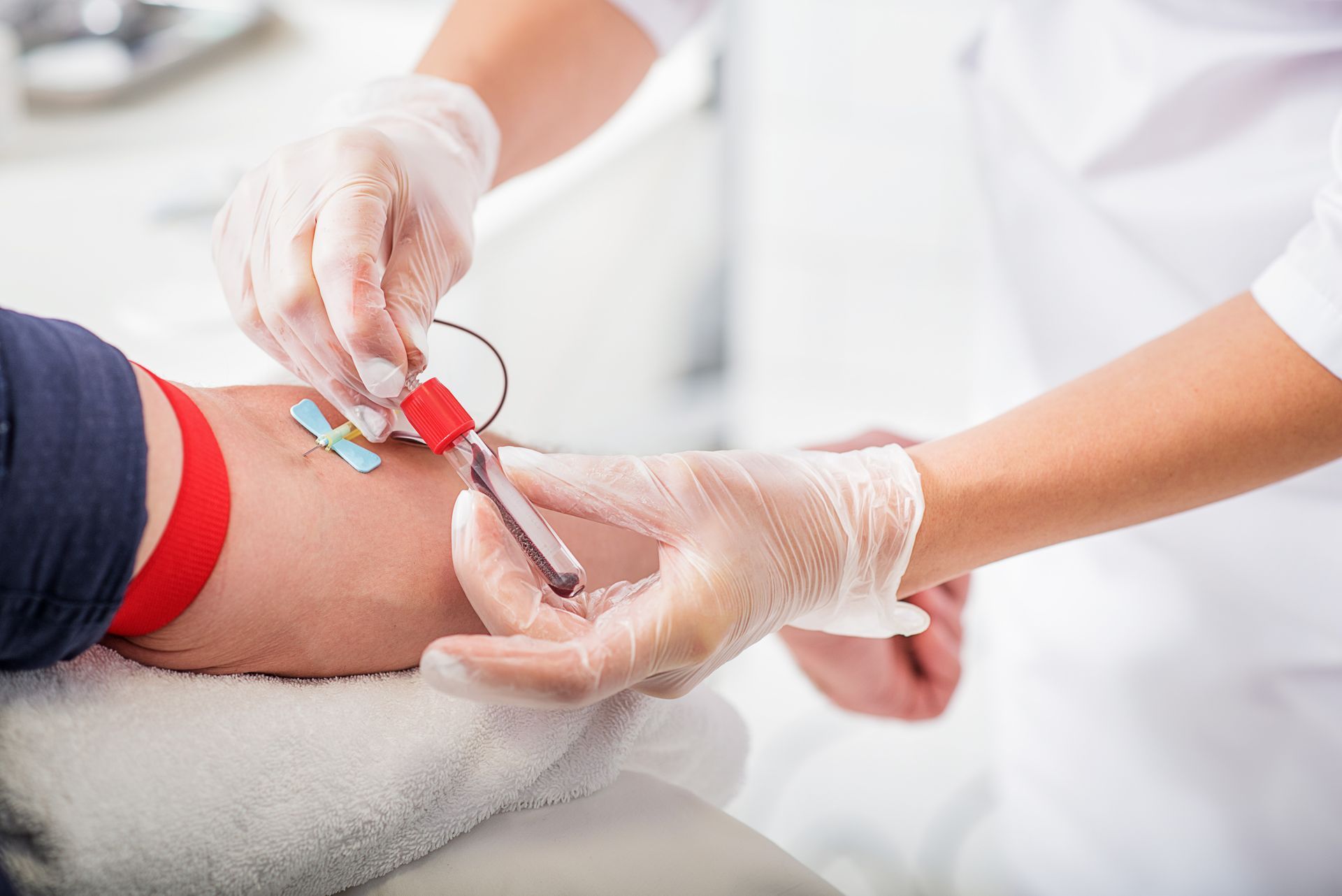
- A new blood draw is typically ordered to rule out sample-specific issues. If antibody tests are unclear, providers may order HIV RNA (viral load) testing or nucleic acid tests (NATs). These detect the virus itself rather than antibodies.
Follow-up tests are often scheduled a few weeks later to allow the immune response, if present, to become detectable.
However, if someone knows or suspects they were recently exposed to HIV, post-exposure prophylaxis (PEP) should be started immediately, ideally within 72 hours, rather than waiting for follow-up antibody testing.
How Long Does It Take to Get a Clear Answer?
In many cases, additional testing clarifies results within a few weeks, though timelines vary depending on the testing method, timing of exposure and individual circumstances.
Modern HIV testing is extremely accurate, but inconclusive results cannot be interpreted on a fixed timeline and should be followed up as recommended by a provider.
Managing the Anxiety While You Wait
The emotional impact of uncertain results is real and often overlooked. People commonly experience:
- Panic or catastrophic thinking
- Shame or isolation
- Compulsive symptom checking
- Difficulty sleeping or concentrating
Anxiety is common during this waiting period, but it does not indicate risk or outcome. Following your provider’s testing plan and staying connected to care is more reliable than monitoring symptoms or searching for reassurance elsewhere.
When Should You Be Concerned?
While indeterminate results are usually benign, certain factors may prompt closer monitoring, such as:
- Known high-risk exposure within the last few weeks
- Ongoing exposure risk without protection
- Symptoms that raise concern for possible acute infection
Even in these situations, modern testing approaches are intended to clarify results as early as possible through appropriate follow-up.
Clear Information and Compassionate Care Matter
One of the hardest parts of inconclusive HIV results is how little clear information patients are given. Too often, people are told to “wait and retest” without explanation of expectations or next steps. At St. Hope Healthcare, we’re committed to providing:
- Clear explanations
- A defined testing plan
- Emotional support alongside medical care
- Evaluation and guidance on time-sensitive prevention options when recent exposure is a concern
- Confidential, judgment-free guidance
HIV Support You Can Trust in Houston, TX
St. Hope Healthcare provides confidential testing, clear follow-up plans and compassionate support for patients navigating uncertainty or anxiety after an inconclusive test result. Our team understands that inconclusive HIV results can be frightening and we focus on clarity, accuracy and care at every step.
If you’ve received indeterminate or inconclusive results and need answers you can trust, contact St. Hope Healthcare at (713) 778-1300 to discuss next steps, testing options and support resources.