
Recent Posts


How Primary Care Clinics Handle Confidentiality for HIV Testing and Results
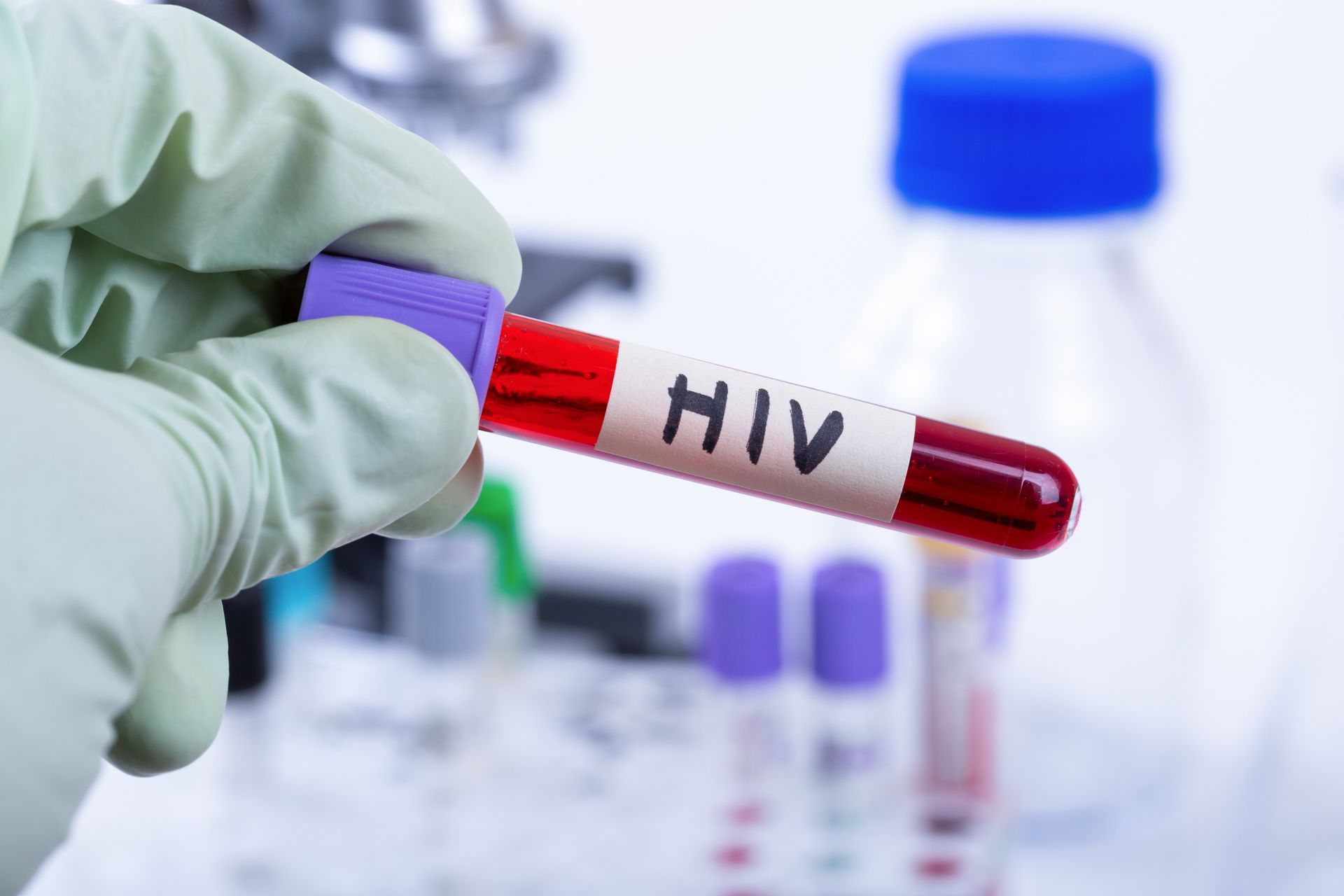
For many people in Houston, deciding to get tested for HIV isn’t just a medical decision; it’s an emotional one. Questions about privacy often sit right at the top of patient concerns:
- Who will see my results?
- Where are they stored?
- Could anyone find out without my consent?
Primary care clinics are deeply aware of these concerns. Confidentiality isn’t an afterthought in HIV testing. From the moment a test is ordered to the way results are delivered and stored, clinics follow strict practices designed to protect your privacy and earn your trust.
HIV Test Orders and Results Are Protected Health Information (PHI)
HIV testing and results are classified as protected health information (PHI), the same category as diagnoses, lab work, prescriptions and medical histories.
That means they are covered under the Health Insurance Portability and Accountability Act (HIPAA), just like cholesterol panels, pregnancy tests or imaging results. Clinics are legally required to safeguard this information, restrict access and prevent unauthorized disclosure.
Importantly, HIV results are not treated casually or separately within medical systems. They’re subject to the same, or often stricter, privacy controls as other sensitive health data.
Access Is Limited to the Involved Care Team
One of the biggest misconceptions about electronic health records is that “anyone at the clinic can see everything.” That’s not how modern systems work.
In primary care settings, only providers and staff directly involved in your care can access your HIV test order or results.
This typically includes:
- Your primary care provider or clinician
- Nurses or medical assistants supporting that visit
- Lab personnel involved in processing the test
Administrative staff, billing teams, front-desk personnel and unrelated providers do not have open access to test results. Medical record systems use role-based permissions, so staff only see what they need to do their job, nothing more.
Results Are Delivered Through Secure Channels
Clinics are careful not just about who sees results, but how results are communicated. HIV test results are shared through secure, private methods such as:
- In-person visits, where results can be discussed face-to-face
- Encrypted patient portals, which require verified logins
- Direct phone calls with identity verification
Results are never posted publicly, sent through unsecured email or displayed on shared systems. Even though voicemail communication is handled cautiously, many clinics will ask how you prefer to receive results before sharing anything.
The goal is to make sure results reach you and only you.
Extra Care Is Taken With Disclosures
Primary care clinics do not share HIV test results with employers, family members, partners or third parties without your explicit authorization, even if someone:
- Is listed as an emergency contact
- Pays for your insurance
- Is a spouse, partner or parent
They are not entitled to your results without written consent, except in very specific, legally required situations.
There are limited circumstances where disclosure may be mandated by public health law (such as anonymous reporting to health departments for tracking and prevention efforts), but these reports are handled without identifying information being released to the public or non-medical parties.
Outside of those narrow legal requirements, your results remain yours.
Storage and Recordkeeping Follow Strict Audit Controls
Electronic health record systems are designed to track information and access, not just store it. Every time a medical record is accessed, the system logs:
- Who viewed the record
- When it was accessed
- What information was viewed
These audit trails are routinely reviewed and can be investigated if there’s any concern about inappropriate access. This accountability discourages misuse and helps clinics enforce privacy standards internally.
Records are stored on secure servers with encryption, access controls and regular compliance monitoring. Clinics also train staff continuously on confidentiality requirements and consequences for violations.
Confidentiality Builds Better Care
Privacy protections aren’t implemented simply to maintain compliance. They are key to creating a space where patients feel safe seeking care. When people trust that their HIV testing is confidential, they’re more likely to:
- Get tested earlier
- Ask honest questions
- Return for follow-up care if needed
- Engage in preventive health conversations
Primary care clinics recognize that trust directly affects health outcomes. Protecting confidentiality is a central part of responsible, patient-centered medicine.
Confidential Care You Can Trust in Houston, TX
At St. Hope Healthcare, patient privacy is taken seriously at every step of care. From confidential HIV testing to secure result delivery and respectful follow-up, our team is committed to creating a safe, judgment-free environment where patients throughout the Houston metro area feel informed and protected.
If you have questions about HIV testing, confidentiality or preventive care, contact us at (713) 778-1300 to schedule a private consultation.