
Recent Posts





When Imaging Is Used to Establish a Baseline Rather Than Make a Diagnosis
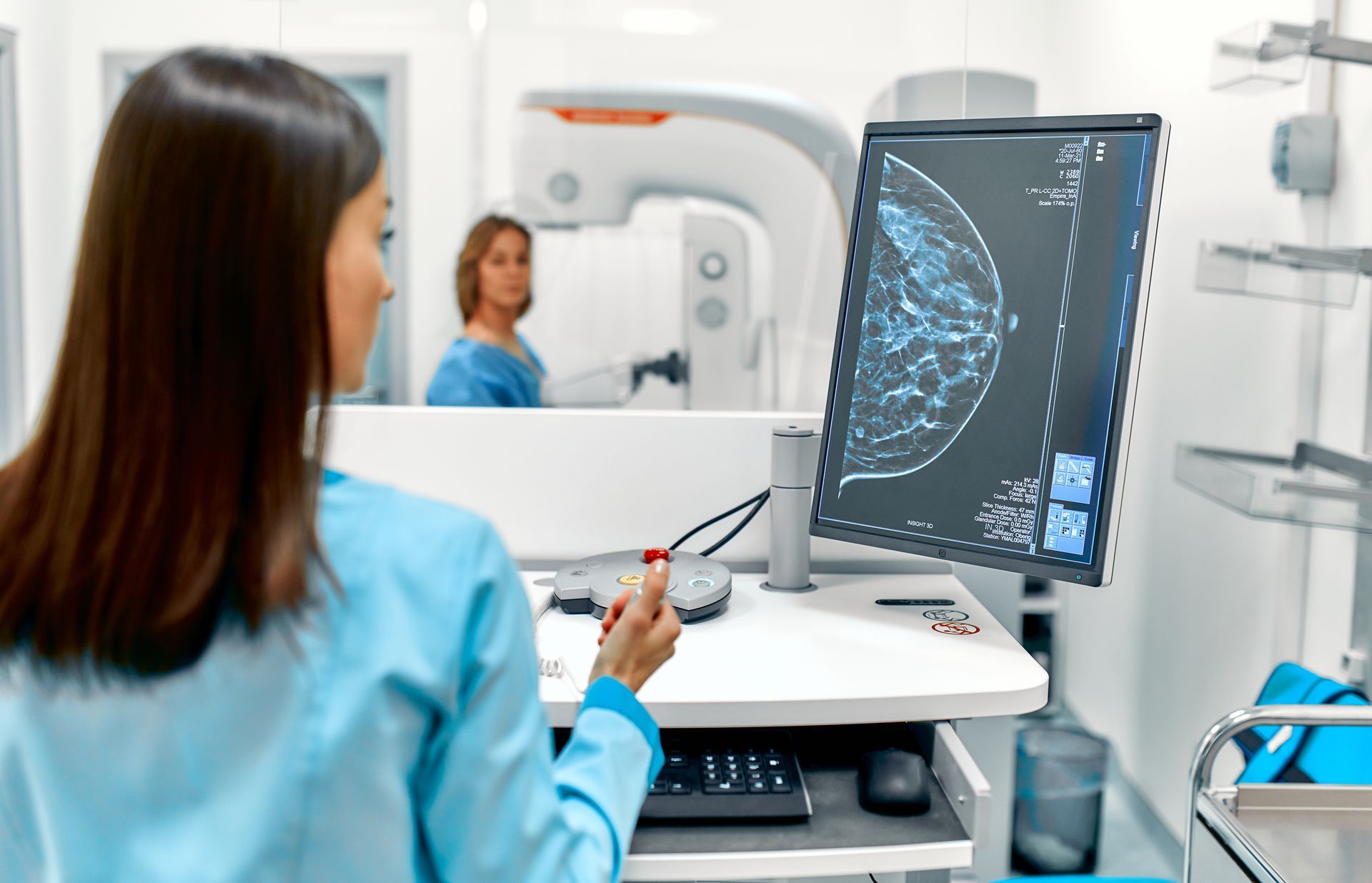
Most people understandably associate imaging services, such as X-rays, ultrasounds, CT scans and MRIs, with diagnosing an injury or illness. But in primary care and preventive medicine, imaging isn’t always about diagnosing a condition. Sometimes, it’s about creating a baseline for future comparison.
Baseline imaging helps providers understand what’s normal for you, so future changes can be identified more clearly and efficiently.
What Providers Mean by a “Baseline” Image
A baseline image is a reference point. It captures how a structure looks at a specific moment in time before a clear diagnosis exists or before symptoms significantly evolve.
This differs from diagnostic imaging, which is ordered to confirm or rule out a suspected condition based on strong clinical evidence. Diagnostic imaging is typically tied to a specific question, such as:
- Is there a fracture?
- Is there an infection?
- Is there a mass causing symptoms?
Getting normal baseline imaging results does not mean the test was unnecessary, because your provider will now have objective information that can guide future care.
When Symptoms or Findings Are Likely to Change Over Time
Baseline imaging is often used when providers expect symptoms, anatomy or physiology to evolve. Common situations include:
- Mild but persistent pain without clear red flags
- Early joint discomfort where arthritis is possible but not established
- Subtle neurological symptoms that don’t yet meet diagnostic criteria
- Family history of certain conditions where establishing a reference point may help guide future evaluation
- Incidental findings on physical exam that aren’t clearly abnormal
In these cases, imaging may not reveal a diagnosable condition today, but it creates a snapshot. If symptoms worsen, improve or change, providers can compare future images to the original baseline to see whether anything has shifted structurally.
Without that baseline, clinicians are forced to interpret new images in isolation, which can lead to uncertainty or overly aggressive follow-up.
Tracking Progression or Stability Over Time
There are many conditions where imaging is used less to “find something” and more to track whether anything changes. Examples include:
- Degenerative spine or joint changes
- Benign cysts or nodules
- Mild scoliosis or alignment issues
- Chronic sinus inflammation
- Certain soft tissue findings
In these scenarios, stability is meaningful. If a structure looks the same months or years later, that stability can be reassuring and clinically important, even if symptoms fluctuate.
Baseline imaging allows providers to confidently say, “This hasn’t changed,” which can prevent unnecessary referrals, biopsies or repeat scans.
How Baseline Imaging Reduces Repeat Testing
One of the most practical benefits of baseline imaging is avoiding unnecessary repeat studies. Without prior images, providers may feel compelled to:
- Reorder imaging “just to be safe.”
- Repeat scans to confirm whether findings are new or longstanding
- Escalate testing due to uncertainty
With a baseline already on file, clinicians can:
- Compare old and new images directly
- Identify subtle changes earlier
- Avoid repeating identical studies
This approach saves time, reduces cost and minimizes unnecessary radiation exposure when applicable.
Interpreting New Symptoms More Accurately
When a patient develops new or worsening symptoms, baseline imaging gives providers context. Instead of asking, “Is this normal or abnormal?”, they can ask, “What has changed since the last image?”
This shift in perspective leads to more precise care. Providers can:
- Distinguish progression from coincidence
- Decide whether symptoms match structural changes
- Target additional testing only when it adds value
In other words, baseline imaging helps clinicians treat patients over time, not just isolated moments.
Why Baseline Imaging Is a Thoughtful, Not Reactive, Choice
Primary care providers use baseline imaging selectively, balancing clinical judgment, patient history and risk factors. When used appropriately, baseline imaging:
- Supports long-term care continuity
- Reduces uncertainty in future evaluations
- Helps patients avoid unnecessary procedures
- Strengthens shared decision-making
It’s a tool for clarity, not alarm.
Primary Care in Houston, TX That Thinks Ahead
At St. Hope Healthcare, imaging decisions are made thoughtfully and with long-term care in mind.
If you have questions about imaging recommendations, ongoing symptoms or how baseline testing fits into your care plan, contact us at (713) 778-1300. Clear information now can make a meaningful difference later.