
Recent Posts


Should You Be Screened for Prediabetes?
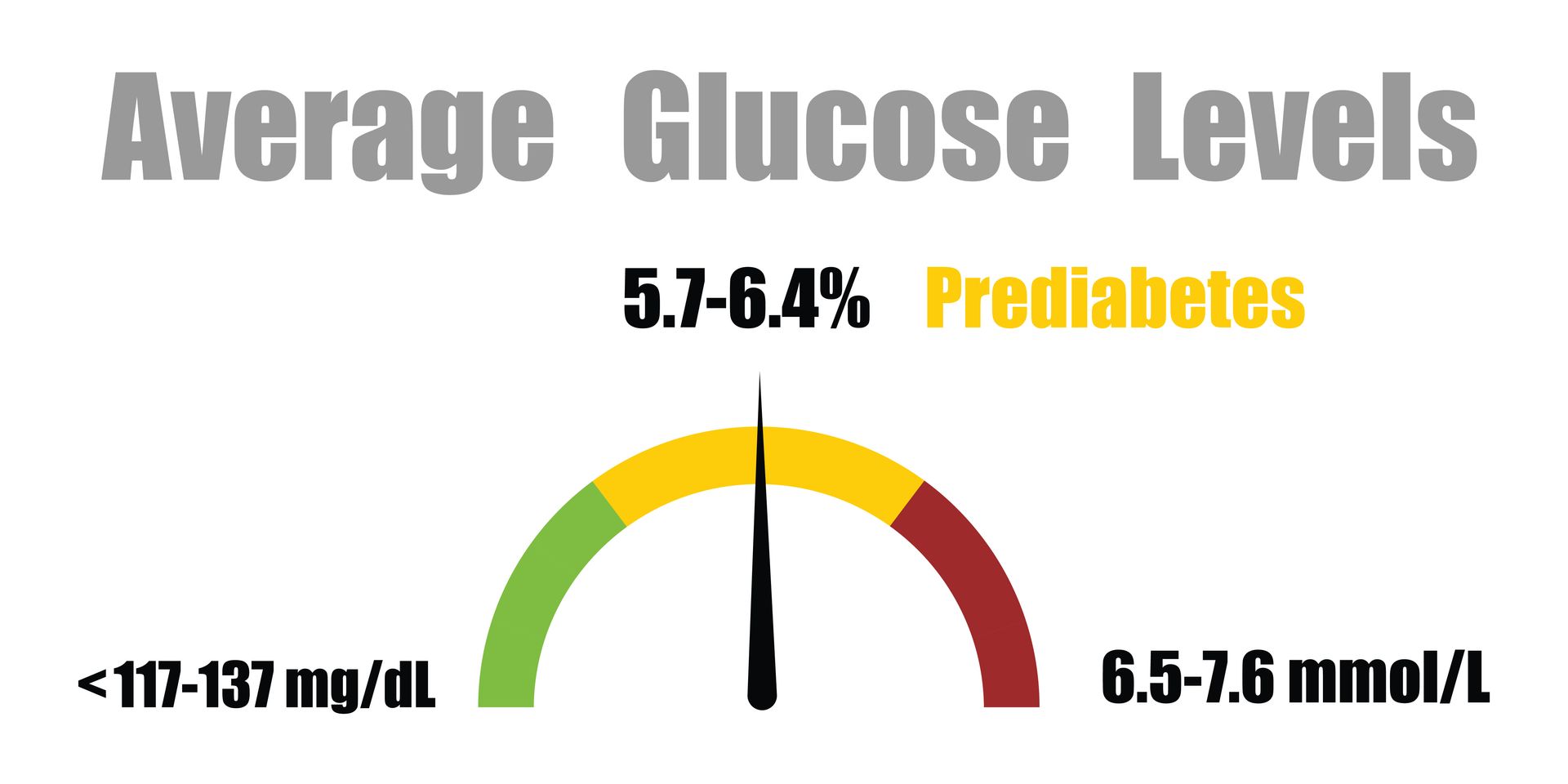
Prediabetes is far more common than most people realize, yet many adults have no idea they are living with it. Prediabetes occurs when blood sugar levels are higher than normal but not yet in the range of type 2 diabetes. It is an early warning sign that the body is having trouble managing glucose, and screening is one of the most important ways to catch it early.
While anyone can develop prediabetes, certain factors make some people more likely to have it. Routine screening can identify problems long before symptoms appear, which allows individuals to make informed lifestyle decisions and talk with their primary care provider about next steps.
Many People Have Prediabetes and Do Not Know It
One of the most concerning facts about prediabetes is how often it goes unnoticed. Research shows that millions of American adults have prediabetes, and a significant percentage of them have never been diagnosed. Because prediabetes often develops quietly, without sudden or dramatic symptoms, many people discover it only after a routine screening or during an annual physical.
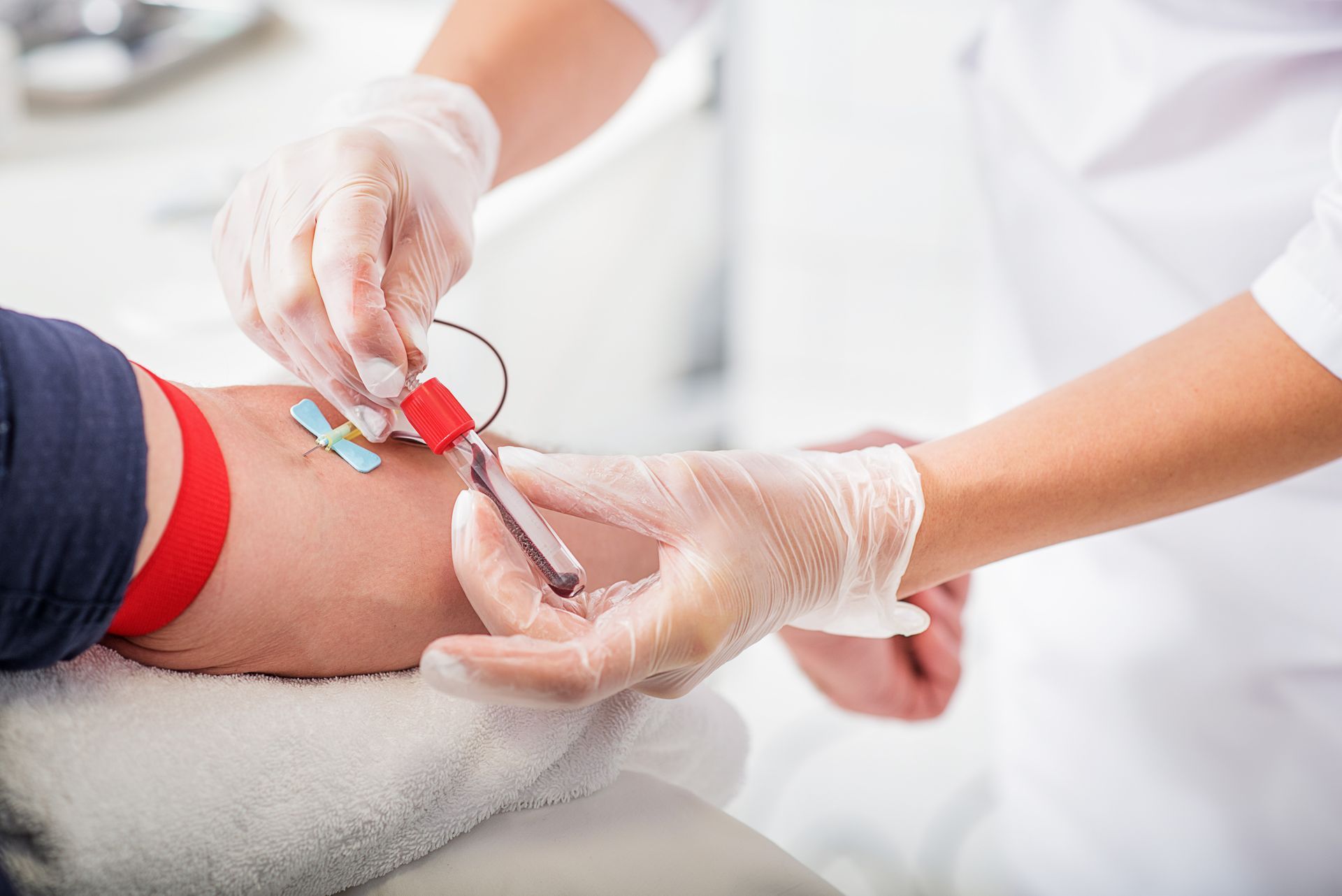
This high rate of undiagnosed prediabetes highlights the importance of regular primary care visits. A simple blood test can spot changes in glucose levels long before diabetes develops. When prediabetes is identified early, individuals have the opportunity to make lifestyle adjustments and monitor their health more closely. With concerted changes, some people may even be able to avoid progressing to type 2 diabetes.
Who Should Consider Being Screened?
Although anyone can ask their provider for a screening, patients with certain risk factors have a higher likelihood of developing prediabetes or type 2 diabetes. These include weight-related factors, genetic influences, lifestyle patterns and age categories.
Adults With a Higher BMI
A higher body mass index can place additional strain on the body’s ability to use insulin effectively. Screening is often recommended for adults with a BMI that falls in the overweight or obese category, especially if other risk factors are also present.
Individuals With a Family History of Diabetes
Genetics plays a strong role in how the body manages glucose. If a parent or sibling has type 2 diabetes, your risk of prediabetes is significantly higher. Screening becomes even more important when family history and lifestyle factors combine.
Adults Taking Certain Medications
Some medications can affect blood sugar levels. These may include certain steroids, psychiatric medications or drugs used for specific chronic conditions. People who take these medications regularly may benefit from periodic glucose monitoring to ensure their levels remain within a healthy range.
Ethnicity Related Risks
Some ethnic groups have a higher predisposition to type 2 diabetes and prediabetes. These groups may include African American, Hispanic or Latino, Native American, Pacific Islander and Asian American populations. Screening helps identify glucose changes early in individuals who fall into higher-risk categories.
Age Over 35
The risk of prediabetes increases with age, particularly after age 35. Screening for prediabetes becomes more valuable for adults in this age group, even if they feel healthy and have no noticeable symptoms.
Lifestyle and Health Factors That Also Increase Risk
Beyond the major categories above, there are additional factors that can raise the likelihood of prediabetes. These include physical inactivity, high blood pressure, low HDL cholesterol and a history of gestational diabetes in women who were pregnant in the past.
Symptoms of Prediabetes
Although many people with prediabetes feel completely normal, certain symptoms can appear as glucose levels begin to change. There are other causes for these symptoms, and experiencing one or more is not conclusive evidence of prediabetes. However, if you have begun experiencing potential symptoms, testing is likely a good idea.
Fatigue
Feeling unusually tired, even when you are sleeping well, may be a sign that your body is having trouble converting sugar into energy. Persistent fatigue that does not improve with rest should be evaluated.
Frequent Urination
Needing to use the restroom more often, especially throughout the day or during nighttime hours, may indicate rising glucose levels. It happens because the body tries to remove excess sugar through urine.
Blurry Vision
Changes in vision, especially episodes of blurred sight that come and go, may occur when high blood sugar affects the lenses of the eyes. While this can be temporary, it should not be ignored.
Increased Thirst
Feeling thirsty more often than usual can accompany frequent urination. It can be a sign of the body trying to correct fluid imbalances caused by rising glucose.
Slow Healing Scrapes or Frequent Infections
Although more commonly associated with diabetes, some people with prediabetes begin to notice that small cuts take longer to heal or that they develop infections more easily.
Get Screened for Prediabetes at One of Our Health Centers in the Houston Metro Area
If you are wondering whether you should be screened for prediabetes, St. Hope Healthcare is here to help. Our providers can review your risk factors, symptoms and medical history to determine the right tests for your situation. Screening is simple, informative and an important step toward understanding your health.
Book an appointment online or give us a call at (713) 778-1300 to learn more about your screening options.