
Recent Posts




Why Providers Order Imaging After a Fall, Even If You Can Still Walk
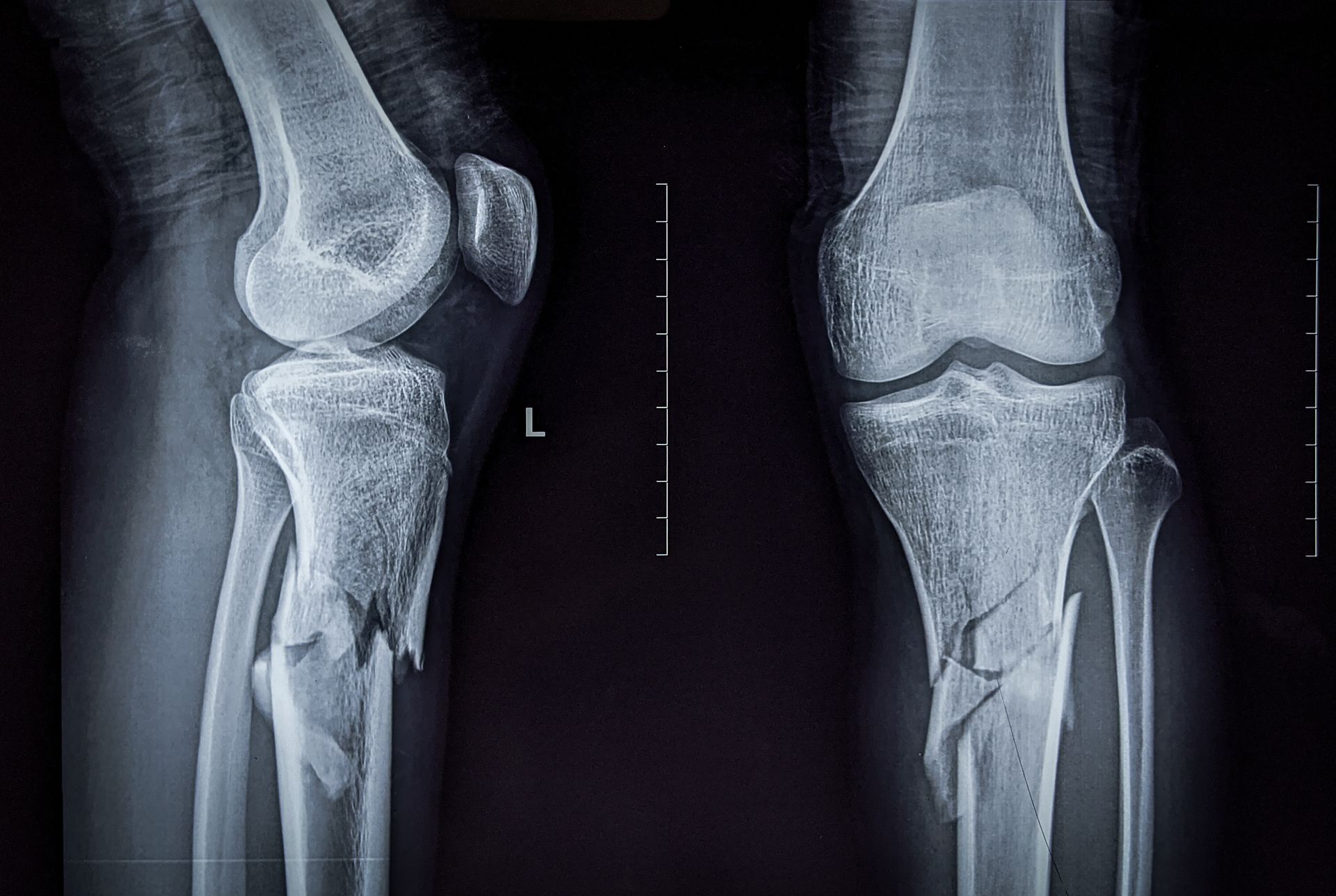
Many people assume that if they can walk after a fall, they must be fine. Being able to stand up and move around feels like a reassuring sign that nothing serious happened. However, medical providers know that walking does not always mean the body has escaped injury. Even mild falls can cause problems that are not immediately obvious, and some injuries can worsen if they are missed early.
X-rays, ultrasounds, CT scans or other imaging tests can help identify hidden injuries that could lead to long-term pain or complications if they go untreated.
Walking Does Not Rule Out a Fracture
One of the most common reasons for imaging after a fall is to check for fractures. Many people assume a broken bone will be painful and have obvious effects on their ability to move, but not all fractures behave the same way. Some allow a person to walk or move with relatively little pain at first. Types of fractures that may still permit walking include:
- Hairline fractures
- Stress fractures
- Small cracks in the ankle or foot
- Non-displaced fractures that have not shifted out of position
- Hip fractures in older adults that only show mild symptoms
These injuries can be subtle. The pain may start as a dull ache and become more intense over the next 24 to 48 hours. Swelling may develop slowly, or not at all. Without imaging, these fractures are easy to overlook.
Joint Effusion Can Signal a Deeper Problem
After a fall, swelling around a joint may indicate more than simple bruising. Providers look for something called joint effusion, which is the accumulation of fluid inside a joint. Effusion can occur in the knee, ankle, elbow or shoulder following an impact or sudden twist.
Joint effusion is often a sign of:
- Ligament injuries
- Meniscus tears
- Cartilage damage
- Sprains that need more than rest
- Fractures hidden beneath swelling
Ultrasound is commonly used to detect fluid buildup because it shows soft tissues clearly. In some cases, a provider may also order an MRI to view the details of the ligaments and cartilage.
Effusion does not always cause severe pain at first, but it can lead to stiffness, decreased range of motion and long term joint problems if the underlying cause is not treated. Identifying the injury early helps protect the joint from further damage.
Hidden Soft Tissue Injuries Can Be Serious
Not all serious injuries involve bones. Soft tissue damage can be equally painful and sometimes more complex. After a fall, providers use imaging to look for injuries such as:
- Torn ligaments
- Muscle strains
- Tendon damage
- Bruising deep beneath the surface
- Sprains that appear mild but hide structural issues
While X-rays are helpful for bones, ultrasound or MRI are often better for viewing soft tissues. A patient may be able to walk with these injuries, but continuing to move normally can worsen the strain or lead to instability in the joint.
Soft tissue injuries are also known to cause delayed symptoms. A person might feel fine the day of the fall and wake up the next morning with pain, swelling or limited mobility.
Certain Injuries Are Especially Easy to Miss Without Imaging
Some injuries simply cannot be diagnosed through a physical exam alone. Providers use imaging because it offers clarity where symptoms are vague or misleading.
- Hip fractures in older adults: These can present as mild groin or thigh pain. Many older patients can still walk with a fractured hip.
- Wrist fractures: A fall onto an outstretched hand can cause small fractures that are difficult to spot without imaging.
- Spinal compression fractures: These may feel like back soreness at first, but can worsen significantly without proper management.
- Foot and ankle fractures: These are common after twisting or missteps and often allow some weight bearing.
- Rib fractures: Patients may mistake rib pain for simple bruising. Imaging confirms the diagnosis and helps manage symptoms safely.
Because these injuries can worsen with time or lead to complications, providers prefer to diagnose them early rather than wait and see.
When You Should Seek Evaluation After a Fall
Even if you can walk, you should contact a healthcare provider if you notice:
- Persistent or worsening pain
- Swelling that does not improve
- Bruising that spreads
- Difficulty moving a joint
- Pain that increases with weight bearing
- A popping sound at the moment of injury
- Numbness or tingling
Get Expert Care and Imaging at One of Our Health Centers in Bellaire, Conroe, Greenspoint, Sugar Land, Dickinson and Northwest Houston
If you have had a fall and want peace of mind, St. Hope Healthcare is here to help. Our skilled providers evaluate your symptoms, determine whether imaging is needed and guide you through the next steps for a safe recovery.
Book an appointment online or give us a call at (713) 778-1300 for a thorough evaluation and compassionate care.