
Recent Posts


Healthy Aging Month
Healthy Aging Month
Blog by Ivan J. Srut, O.D.
Chief of Optometry for St. Hope Foundation
September is “healthy aging month”, and that is also true for the eyes. As we age we are susceptible to more and more eye ailments/conditions, so it is even more important to get an annual comprehensive eye examination, including dilation.
The conditions I am referring to are cataracts, dry eyes, glaucoma, plus retinal problems such as macular degeneration, diabetic retinopathy, and retinal detachment. All of these can lead to vision loss or even blindness. Being diagnosed and treated early can make such a big difference in retaining vision! Let’s do a basic, quick review of these.
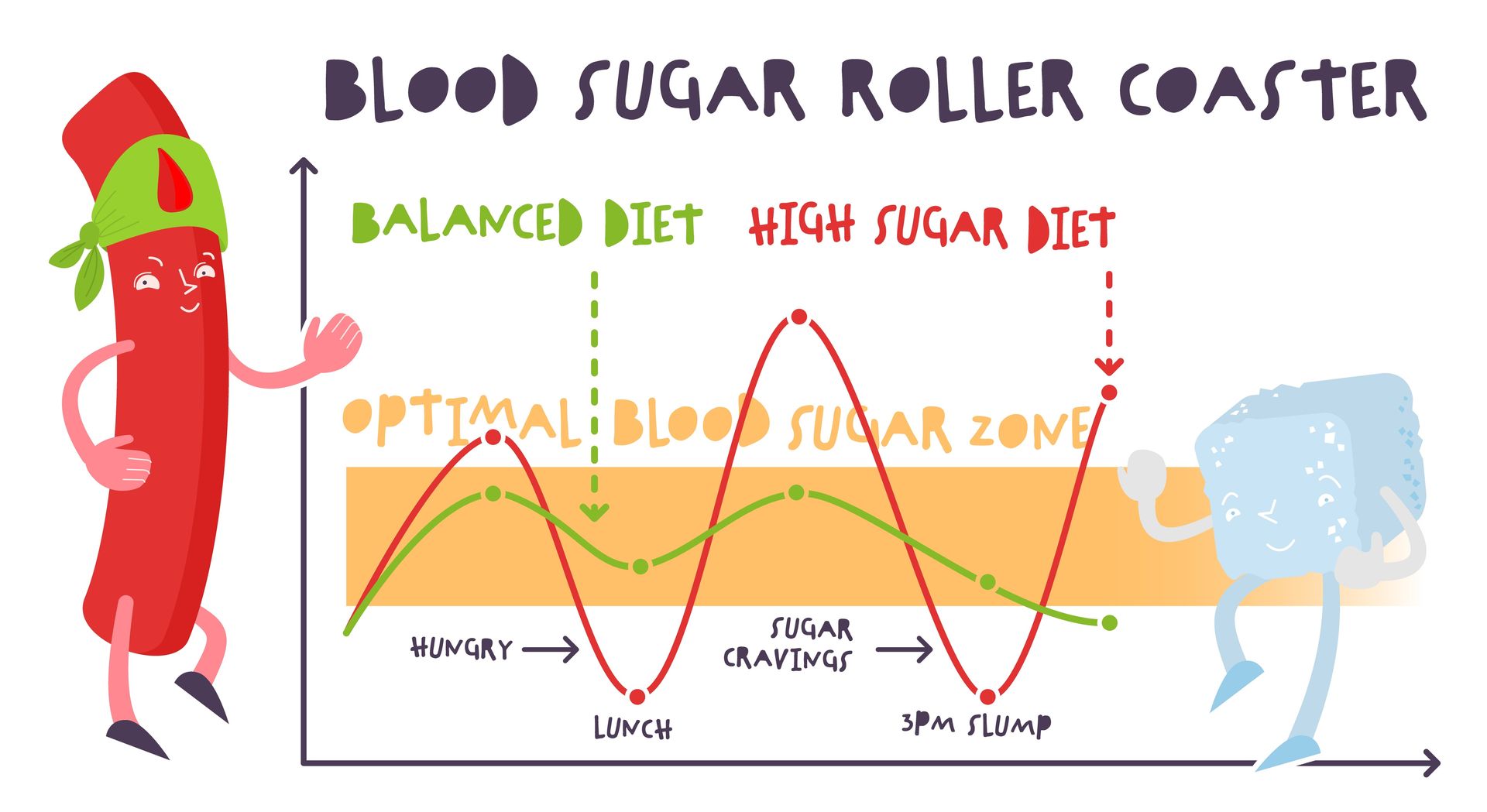
Cataracts are a clouding of the eye’s natural lens. Everyone develops cataracts if they live long enough! Some can be congenital(from birth/heriditary), some are caused by trauma to the eye(s), but most are from aging and mature slowly with time. Wearing regular glasses or sunglasses with UV protection is a good way to help slow the aging process. Uncontrolled blood sugar with diabetes can also accelerate growth of cataracts, so best to keep things under control!
Dry eyes typically occur over time as we produce less of our own natural tears. Dryness of the anterior surface of the eye, or cornea, and lead to vision loss and eye discomfort and pain. Typically using over-the-counter lubricant eye drops, as needed, will be adequate. If not, the doctor can help determine if prescription medications, surgery, or other treatments are needed.
Glaucoma is an eye disease or condition that can cause loss of vision/peripheral vision from increased eye pressure and/or damage to the nerve and retinal tissue in the eye. Unfortunately this typically does not have any symptoms so an eye exam is necessary to diagnose and treat it. Eye drops are normally the first line of treatment, to lower eye pressure, but surgery may also be used.
Macular degeneration is also a condition most people will get to some degree, if they live long enough. The macula is the area of the retina where the fine vision comes from, as well as color vision. It is generally not treatable(dry macular degeneration), unless there is bleeding(wet macular degeneration) in the area. In this case injections are given to keep the area from bleeding further.
Diabetic retinopathy is something that people with diabetes can get, especially if blood sugar is out of control. Blood vessels can leak in the back of the eye(retina) causing loss of vision, or the appearance of odd shapes, floating spots, flashes, or other such visual distortions. The best thing to do is keep blood sugar under control, but if any of the above symptoms are observed, a trip to an eye doctor asap is warranted. Depending on the level of the retinopathy the retina may just be observed, or surgery may be performed to keep the blood from spreading.
Retinal detachment is a medical emergency, and needs to be taken care of immediately! If a person starts to see flashes of light, floaters, or the feeling like curtains are closing on them in any direction, they need to be seen right away by an eye specialist. An ophthalmologist would need to repair the tear to keep vision from being lost permanently!
It is the responsibility of every individual to take care of themselves, including the eyes, so schedule that yearly exam! Keep in mind that just because you can pass your vision test for driving, or your glasses are still working fine, that it is still possible to have one of the eye conditions above. Don’t overlook eye exams because you feel good or you see well! Please come see us at least once a year!
Until next time…