
Recent Posts


How Much Do You Really Need to Change After a High Blood Pressure Diagnosis?

Hearing that you have high blood pressure, or hypertension, can feel overwhelming. Many patients immediately imagine a complete lifestyle overhaul, a restrictive diet, intense workouts and permanent medication. The reality is far more manageable.
A high blood pressure diagnosis is important, but it does not mean your life has to change overnight. In most cases, providers focus on steady, realistic improvements that reduce risk without creating burnout.
What Changes Right Away
Monitoring Becomes a Priority
One of the first steps after a diagnosis is more consistent blood pressure monitoring. Your provider may recommend:
- In-office follow-up visits
- Home blood pressure monitoring
- Tracking readings at different times of day
Home monitoring helps identify patterns. Some patients have elevated readings only in clinical settings, known as white coat hypertension, often due to stress or anxiety during medical visits. Others may have higher readings in the morning, at work or during stressful situations.
The source of high readings is key to determining what, if anything, is actually wrong. The goal is to avoid prescribing medications or recommending major lifestyle changes when the issue may be stress or anxiety in specific scenarios.
Possible Medication
Not everyone needs medication immediately, but many patients do start a prescription early in treatment. This depends on:
- How high your numbers are
- Your age
- Family history
- Other health conditions, such as diabetes
- Cardiovascular risk factors
Medication is often a protective step to reduce strain on the heart, brain and kidneys while lifestyle changes begin to take effect.
Some patients only need one medication. Others may need adjustments over time. The plan is individualized, not one-size-fits-all.
What Does Not Change Overnight
You Do Not Need a Perfect Diet Tomorrow
Many people assume they must eliminate all sodium, sugar, caffeine and processed food immediately, but that approach is rarely sustainable.
Instead of demanding perfection, providers encourage gradual improvements. Extreme dietary restriction often leads to frustration and abandonment of the plan.
Real change is built through small, repeatable steps.
You Do Not Have to Become a Marathon Runner
Exercise is important, but you do not need intense daily workouts right away. For many patients, consistent moderate activity such as walking can significantly lower blood pressure. Consistency is more important than intensity.
Your Life Does Not Stop
A high blood pressure diagnosis does not mean you are fragile. With proper management, most people live full, active lives. The focus shifts toward prevention and long-term heart health, not fear.
Small, Realistic Adjustments That Make the Biggest Impact
Reduce Sodium Gradually
Instead of eliminating everything salty, try:
- Cooking at home more often
- Reading nutrition labels
- Reducing processed foods
- Choosing lower-sodium alternatives
Increase Daily Movement
You do not need a gym membership to see results. Consider:
- 30 minutes of brisk walking most days
- Taking stairs when possible
- Short movement breaks during the workday
Improve Sleep
Poor sleep contributes to elevated blood pressure. Establishing consistent sleep routines, reducing screen time before bed and managing stress can make a difference.
Manage Stress
Chronic stress increases blood pressure. Simple techniques such as deep breathing, journaling or short daily quiet time can help regulate stress responses.
Moderate Alcohol and Tobacco Use
Reducing alcohol intake and avoiding tobacco products significantly lowers cardiovascular risk. If quitting feels overwhelming, a gradual reduction with provider support is a realistic approach.
How Primary Care Providers Track Progress
Managing high blood pressure is not a one-time conversation. It is an ongoing partnership between you and your primary medical care provider. Primary care providers typically:
- Review home blood pressure logs
- Monitor weight and lifestyle changes
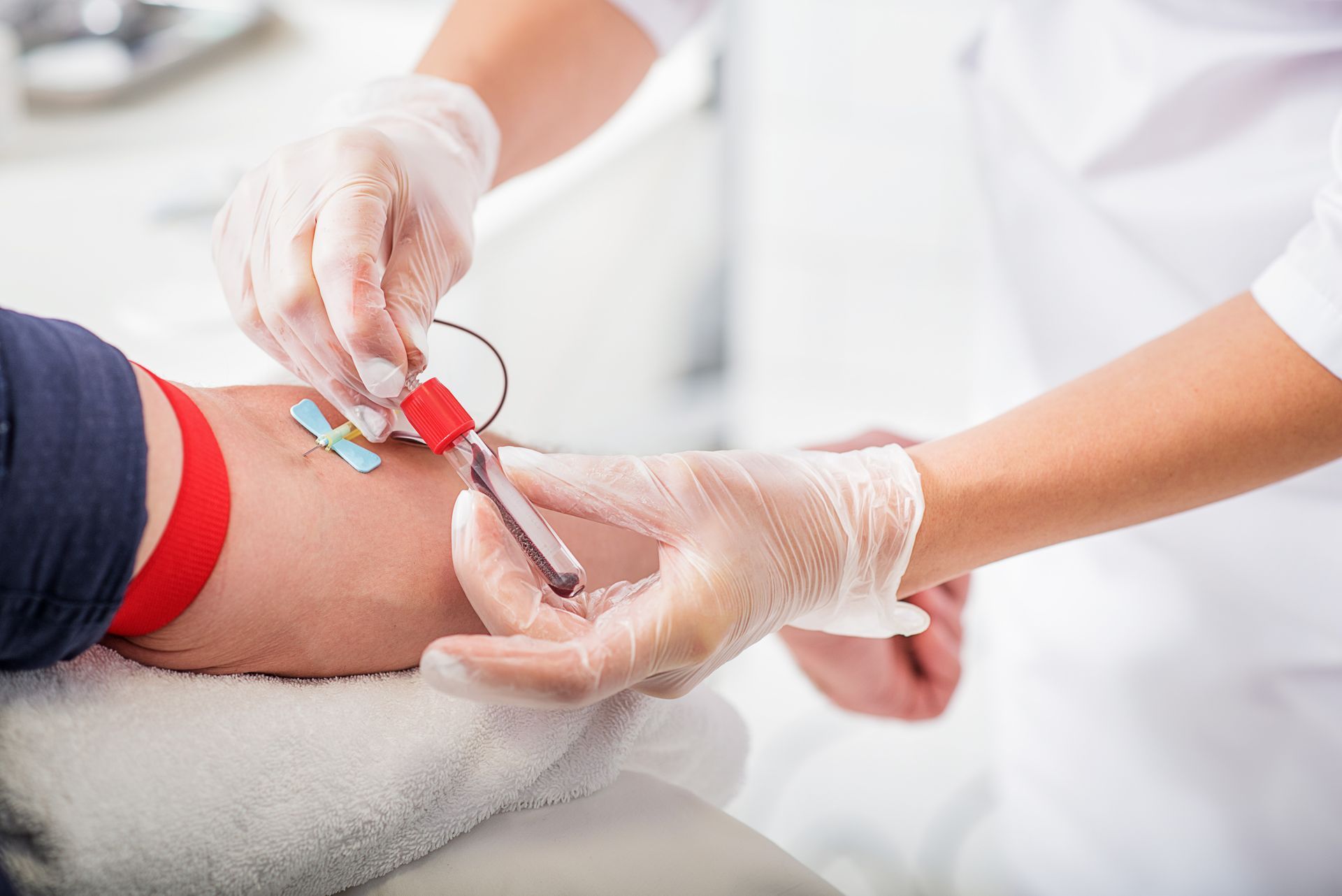
- Order lab work to check kidney function and cholesterol
- Adjust medications as needed
- Evaluate overall cardiovascular risk
Follow-up visits may occur every few weeks initially, then every three to six months once blood pressure is stable.
Progress is measured over time, not in a single visit. A slightly improved reading is still meaningful progress.
Providers also look at trends rather than isolated numbers. Consistency matters more than occasional fluctuations.
When More Aggressive Intervention Is Necessary
While many patients respond well to gradual lifestyle adjustments and standard medication, some situations require more aggressive treatment.
This may include:
- Severely elevated blood pressure
- Evidence of organ damage
- History of stroke or heart attack
- Multiple cardiovascular risk factors
- Resistant hypertension that does not respond to initial medications
In these cases, providers may:
- Add additional medications
- Refer to a cardiologist
- Order imaging studies
- Investigate secondary causes of hypertension
Get Personalized Care for High Blood Pressure in Houston, TX
Our primary care providers take a personalized, realistic approach to hypertension management. We focus on accurate monitoring, thoughtful medication use, practical lifestyle guidance and ongoing support to help you achieve long-term heart health.
Contact St. Hope Healthcare today at (713) 778-1300 to schedule an appointment and create a care plan that fits your life, your goals and your health needs.