
Recent Posts



What Are the Most Common Childhood Illnesses?
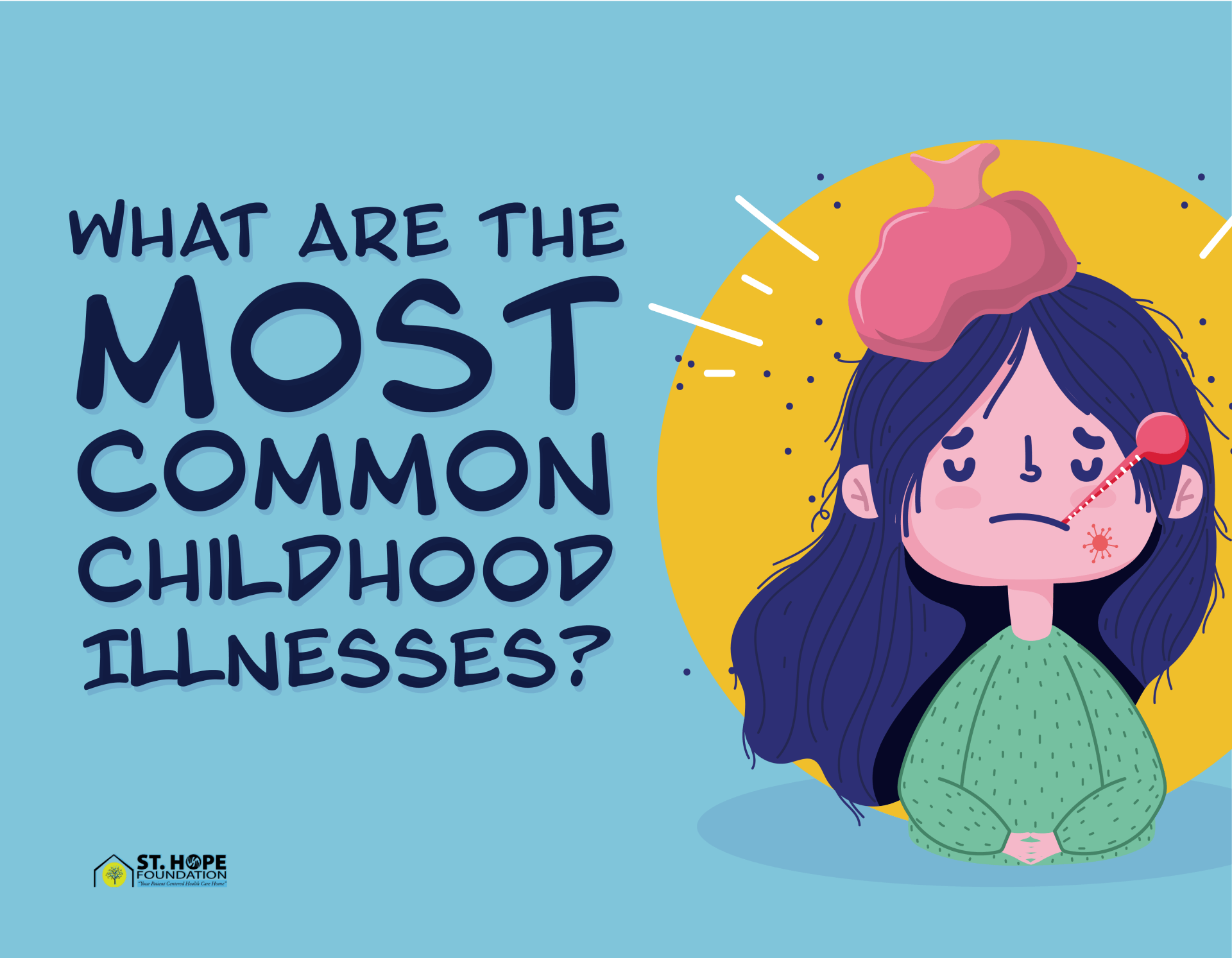
Children are delightful, but they can also be notorious germ-spreaders. Illnesses like hand, foot and mouth disease and whooping cough easily spread when kids spend a lot of time amongst their peers in school, daycare and similar settings.
What Is Hand, Foot and Mouth Disease?
Hand, foot and mouth disease is an illness that is often spread among young children. The condition is named after sores and rashes that commonly afflict these regions. The sores and rashes usually cause significant pain.
What Causes Hand, Foot and Mouth Disease?
Hand, foot and mouth disease is most frequently transmitted when a child inhales respiratory droplets, fecal matter or other bodily fluids that contain coxsackievirus. While most adults do not exhibit the symptoms of hand, foot and mouth disease, they can still spread the virus to others. Some children may also transmit hand, foot and mouth disease asymptomatically. Coxsackievirus is often present in one’s body for a few days before the onset of symptoms and a few days after the subsidence of symptoms. It may be transmitted to others during this time.
What Are the Symptoms of Hand, Foot and Mouth Disease?
· Rash on hands or feet
· Mouth sores
· Fever
· Sore throat
· Loss of appetite
· Decreased eating or drinking
What Are the Risks of Hand, Foot and Mouth Disease?
Most cases of hand, foot and mouth disease are more uncomfortable than dangerous. One of the more prevalent concerns is dehydration or malnourishment because drinking or eating can become painful. Toenails and fingernails can fall off in rare cases. Other rare consequences include meningitis and encephalitis if the virus reaches the brain and causes swelling.
What Is the Treatment for Hand, Foot and Mouth Disease?
Hand, foot and mouth disease can be treated from home. Patients with the illness recover in seven to ten days and usually do not require medical intervention. The important part is managing the symptoms and keeping your child hydrated. Since hand, foot and mouth disease is easily spread, hygiene is vital for ensuring others do not become infected. If your child develops other symptoms or side effects that do not improve, you may want to speak with your family pediatrician and the St. Hope Pediatrics team so we can create a plan for your child’s treatment and recovery.
What Is Whooping Cough?
Whooping cough is a respiratory infection that can affect people of all ages. It is more prevalent in young children who are too young to fully complete the five-shot vaccination series. Whooping cough received its name because many patients make a whooping noise after coughing. Despite the name’s origins, patients do not always whoop after coughing. Babies with the infection may not cough at all, though they often exhibit dangerous symptoms that impact breathing.
What Causes Whooping Cough?
Whooping cough is transmitted via respiratory droplets that contain the Bordetella pertussis bacteria. People become infected upon inhaling these droplets. Since whooping cough is a preventable disease, medical experts encourage parents to vaccinate their children at two months, four months, six months, 15 to 18 months and around five years.
What Are the Symptoms of Whooping Cough?
- Coughing
- Congestion
- Irritated eyes
- Fever
- Vomiting
- Difficulty breathing
- Redness or blueness in the face
- Whooping sound following inhalation
What Are the Risks of Whooping Cough?
Approximately 20 babies have died annually from whooping cough since 2010. People of all ages can suffer complications or injuries like bruised or cracked ribs from whooping cough. Whooping cough can develop into pneumonia. It can also cause malnourishment, seizures or brain damage.
What Is the Treatment for Whooping Cough?
Prevention via vaccination is the best way to reduce the necessity of emergency medical treatment for whooping cough. Vaccinations are available for preteens, teenagers and adults who did not receive the vaccination series as a baby.
Schedule Your Child’s Vaccinations in Houston
Are you concerned about your child becoming infected by hand, foot and mouth disease, whooping cough or other illnesses? If you are, schedule an appointment for pediatric care at St. Hope Foundation. Contact us by calling 713-778-1300 today.