
Recent Posts


Why You Shouldn’t Wait Until You’re Really Sick Before Visiting a Health Center

Many people only think about visiting a health center when they’re feeling very ill or when symptoms become unbearable. While it can be uncomfortable and inconvenient to travel to a health center when you’re feeling under the weather, postponing care can make your illness last longer than necessary and even carry serious risks.
The Risks of Waiting Too Long
- Delayed Diagnosis
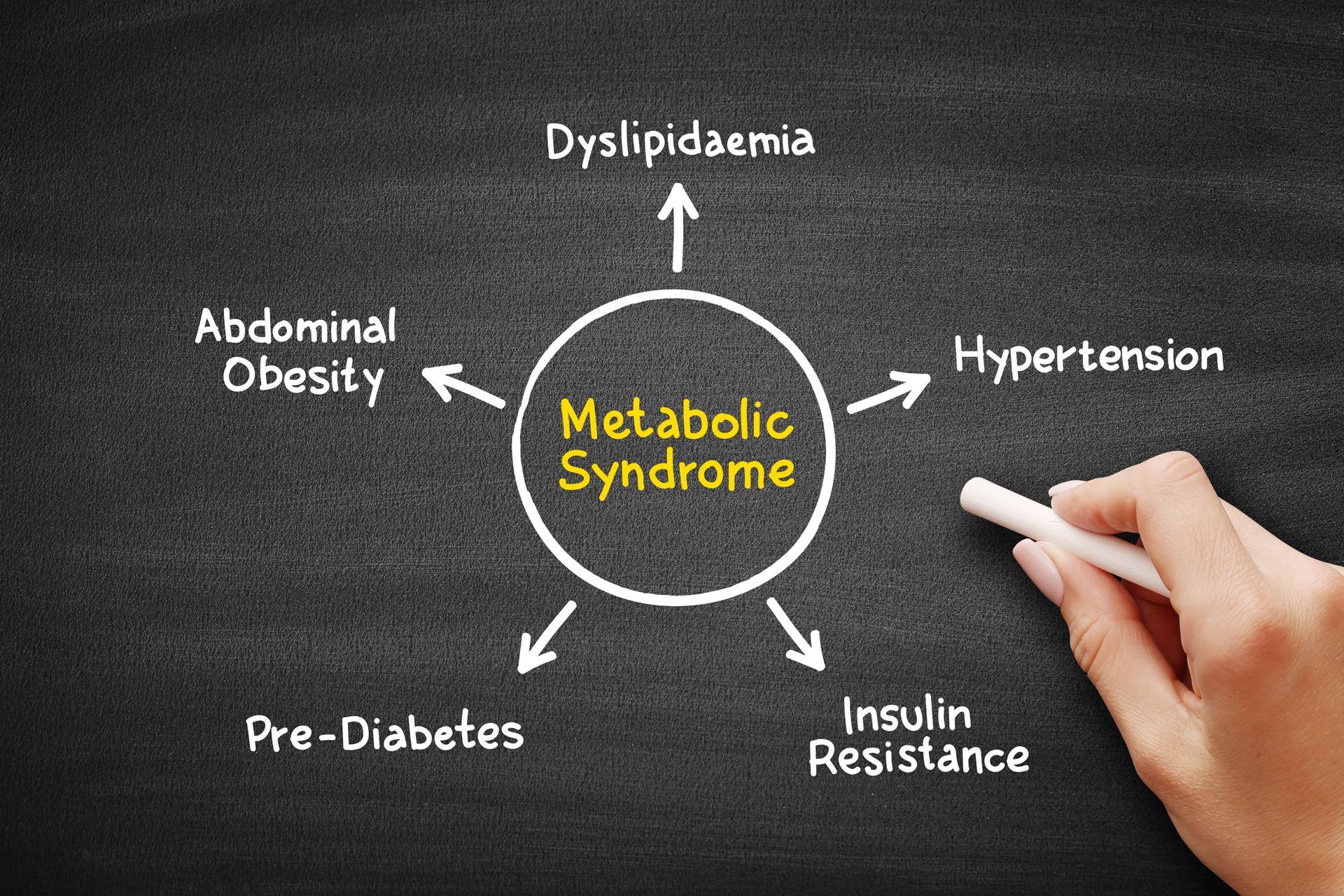
Many conditions, such as diabetes, high blood pressure or certain cancers, can progress silently without obvious symptoms. By the time you feel ill, the condition may already be advanced and harder to treat. - More Complicated Treatments
Early intervention often means less aggressive, less invasive treatments. Waiting too long can make complicated medical procedures necessary and result in longer recovery times and higher medical bills. - Higher Risk of Hospitalization
Health issues that might have been addressed early on with outpatient care can escalate into emergencies, sometimes requiring hospitalization. - Increased Healthcare Costs
Preventive checkups and routine screenings are generally less expensive than emergency visits, surgeries or intensive treatments for advanced illnesses.
Preventive Care Is the Key
One of the biggest benefits of visiting a health center regularly is preventive care. This type of care is designed to stop problems before they start or catch them in the very early stages. Preventive services include:
- Annual wellness exams
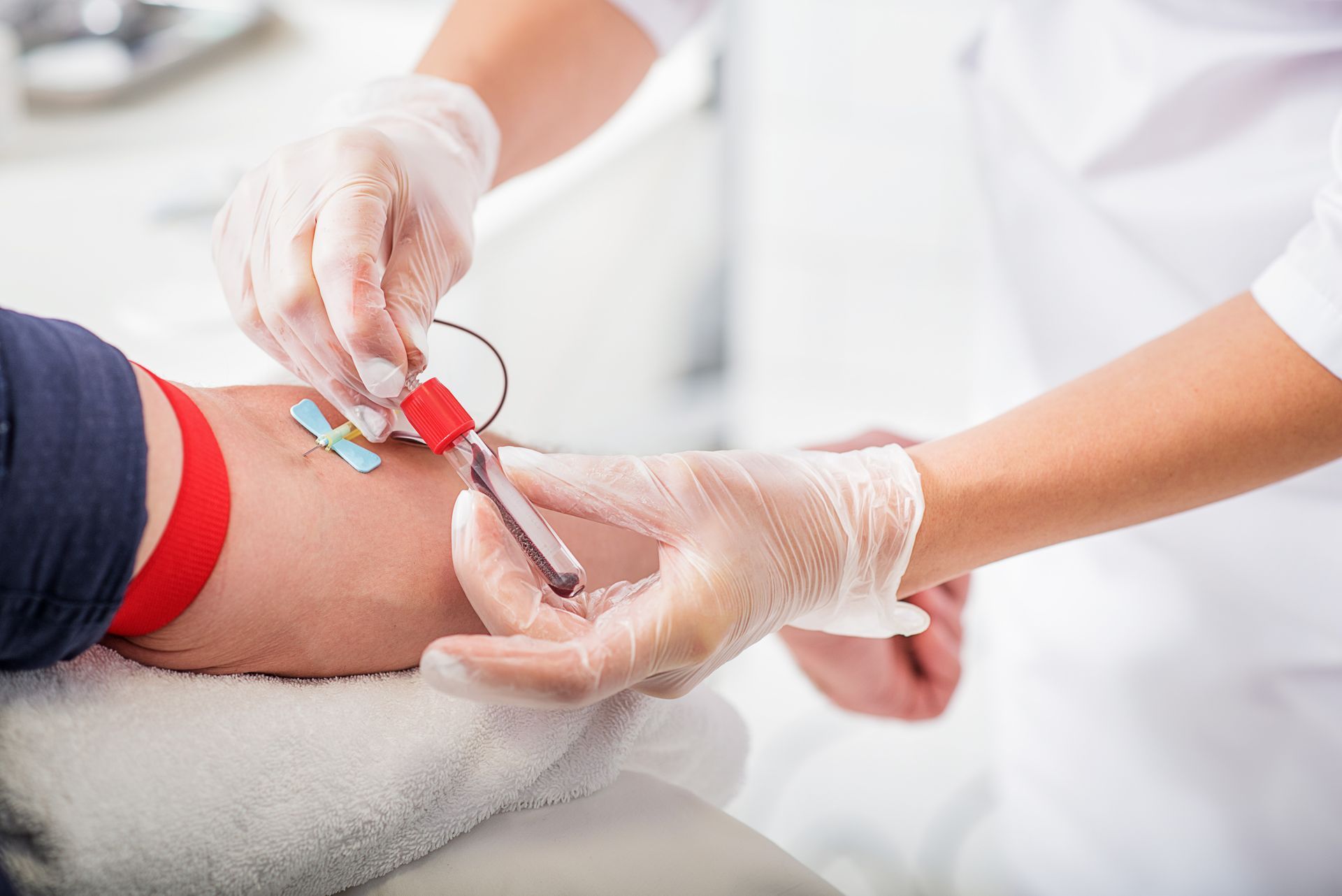
- Blood pressure and cholesterol screenings
- Vaccinations
- Diabetes screenings
- Cancer screenings (such as mammograms or colonoscopies)
- Lifestyle counseling for nutrition, exercise and stress management
By staying on top of these services, you can significantly reduce your chances of developing serious health issues later in life.
Building a Relationship With Your Provider
When you visit a health center regularly, not just in times of crisis, you develop a trusted relationship with your healthcare provider.
This connection has important benefits:
- Personalized Care: Your provider becomes familiar with your medical history, lifestyle and unique needs.
- Better Communication: Patients who see their providers regularly feel more comfortable asking questions and discussing concerns.
- Consistency in Care: Routine visits create a continuity that makes it easier to track progress and adjust treatment plans.
This ongoing relationship can make a major difference in your overall health outcomes.
Mental and Emotional Health Matters Too
Health centers are not only for physical ailments; they can also support your mental and emotional well-being. Stress, anxiety and depression often go untreated until they start interfering with daily life. By visiting a health center earlier, you can access resources like counseling, mental health screenings and supportive therapies before things escalate.
Common Health Problems That Are Easier to Manage When Caught Early
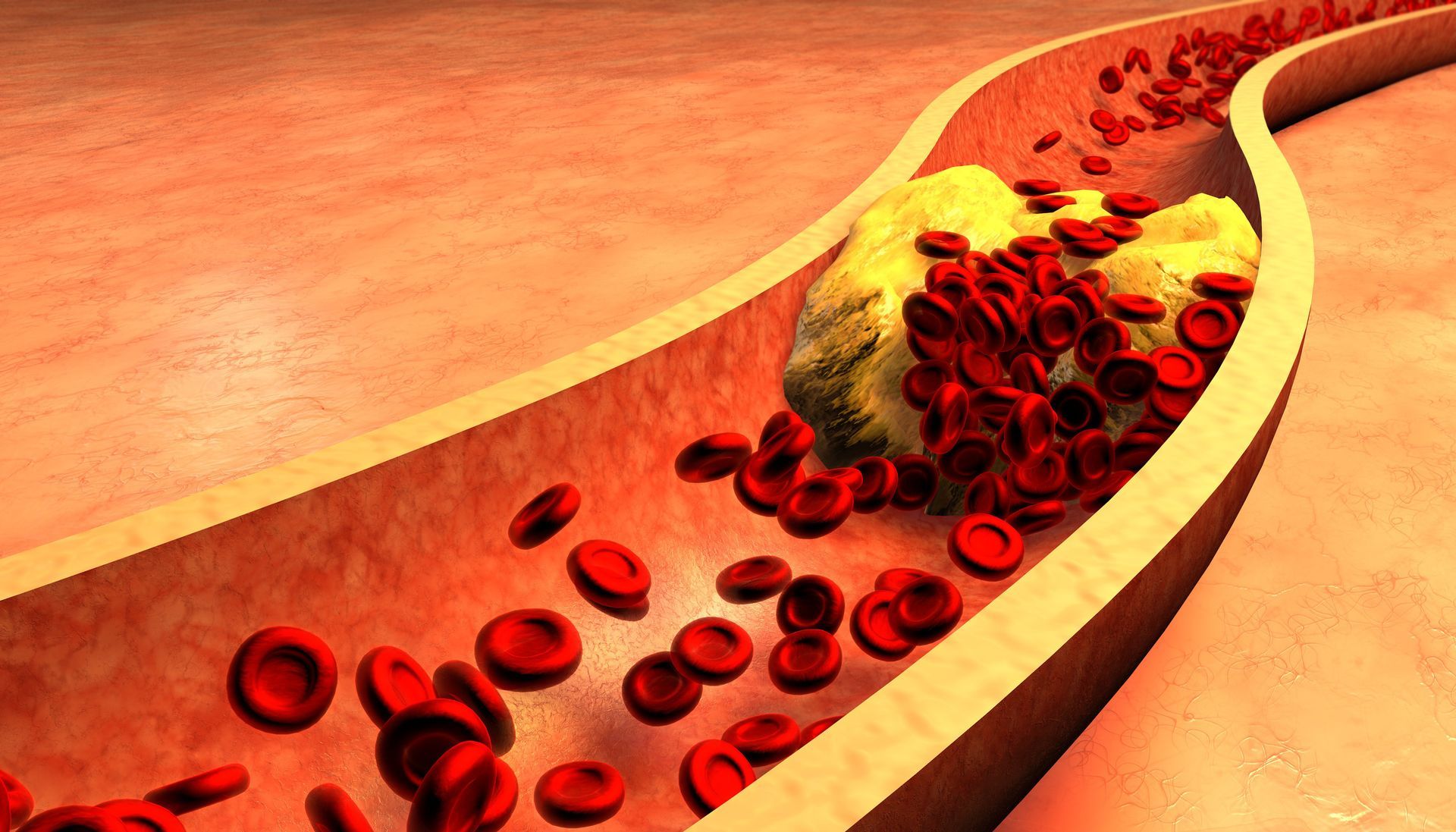
- High Blood Pressure: Often called the “silent killer,” high blood pressure (hypertension) rarely causes symptoms until it has already damaged the heart, kidneys or brain. Regular checkups can identify and control high blood pressure before it becomes dangerous.
- Type 2 Diabetes:
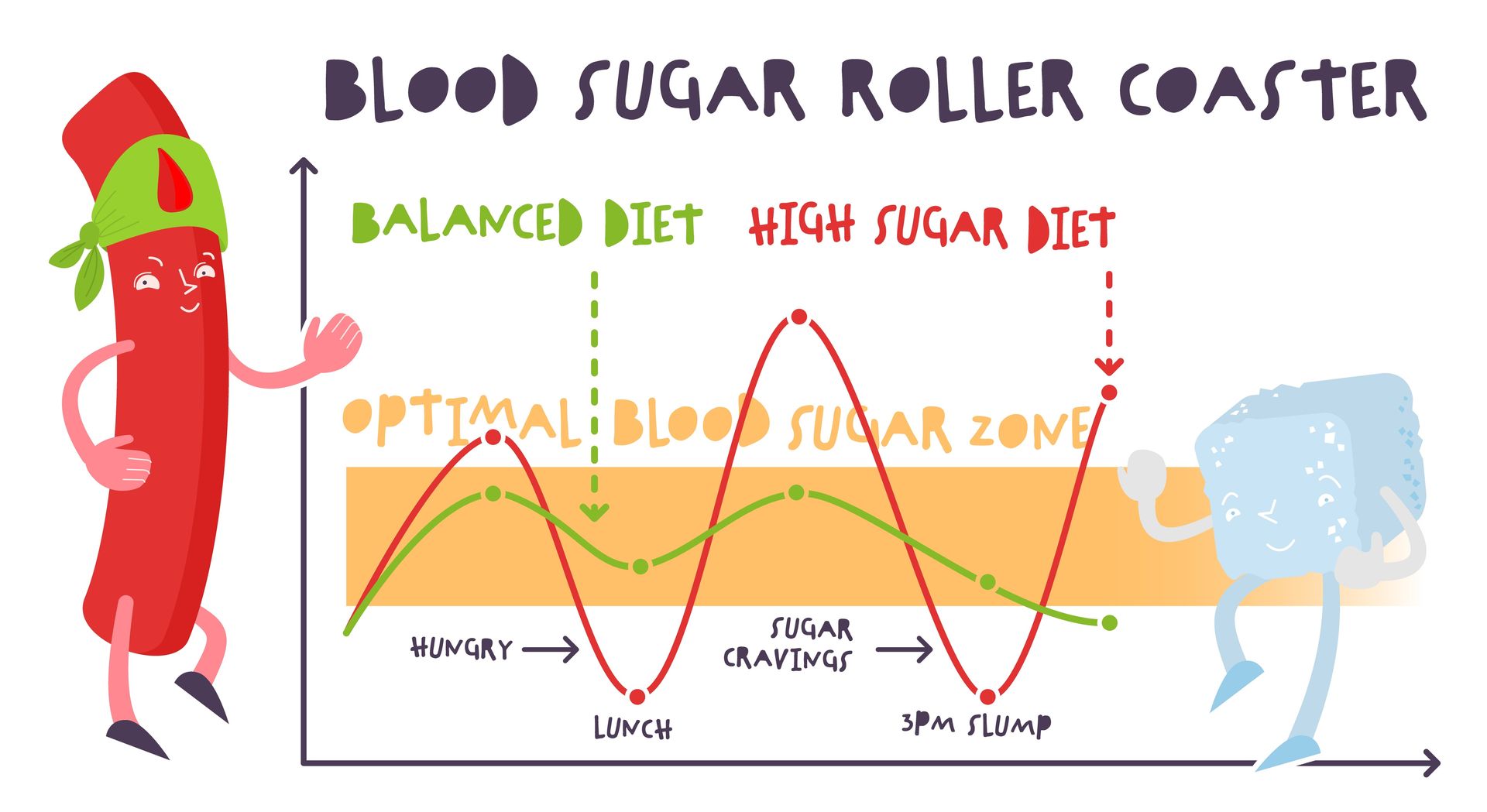
Many people live with prediabetes without knowing it. Routine blood sugar testing can identify the risk early, when diet and lifestyle changes may reverse the trend.
- Cancer Screenings: Early-stage cancers are often easier to treat and have better outcomes.
Skipping regular screenings reduces your chances of catching cancer when it’s most treatable.
Waiting until you’re “really sick” can mean missing valuable opportunities for early intervention, which often means less invasive, less expensive and more effective treatment.
Encouraging a Culture of Health
In addition to being better for you personally, seeking preventative care strengthens the health of the entire community. Fewer emergency cases reduce strain on hospitals, and healthier populations create stronger, more resilient neighborhoods. Catching and treating contagious illnesses early also helps prevent them from spreading to others. Visiting a health center before illness strikes is a proactive step that benefits everyone.
Your Partner in Wellness in Bellaire, Conroe, Houston, Sugar Land and Dickinson
At St. Hope Healthcare, we believe in empowering patients to take charge of their health before small issues become big problems. Our providers focus on preventive care, early detection and compassionate treatment that puts your well-being first.
Schedule an appointment with St. Hope Healthcare online or give us a call at (713) 778-1300.