
Recent Posts


Why Do I Feel Dizzy or Lightheaded Sometimes?
Feeling dizzy or lightheaded can be unsettling, especially when it seems to come out of nowhere. For some people, it’s a brief and harmless sensation that passes quickly. For others, it may happen more frequently or interfere with daily life. A brief, one-time episode is often not a cause for concern, but repeated dizziness or symptoms that occur under the same conditions should be evaluated by a doctor.
What Does “Dizzy” Really Mean?
People often use the word “dizzy” to describe different sensations. You might feel:
- Lightheaded, like you could faint
- Off-balance or unsteady
- Like the room is spinning (a sensation known as vertigo)
- Weak or disoriented
Each of these feelings can point to different underlying causes, so paying attention to how you feel and when it happens can be helpful information for your healthcare provider.
Common Causes of Dizziness
Dehydration
One of the most common and easily overlooked causes of dizziness is dehydration. When your body doesn’t have enough fluids, your blood pressure can drop, making you feel lightheaded.
This is especially relevant in hot climates or after physical activity. If you’ve been sweating, skipping water or drinking more caffeine than usual, dehydration could be the culprit.
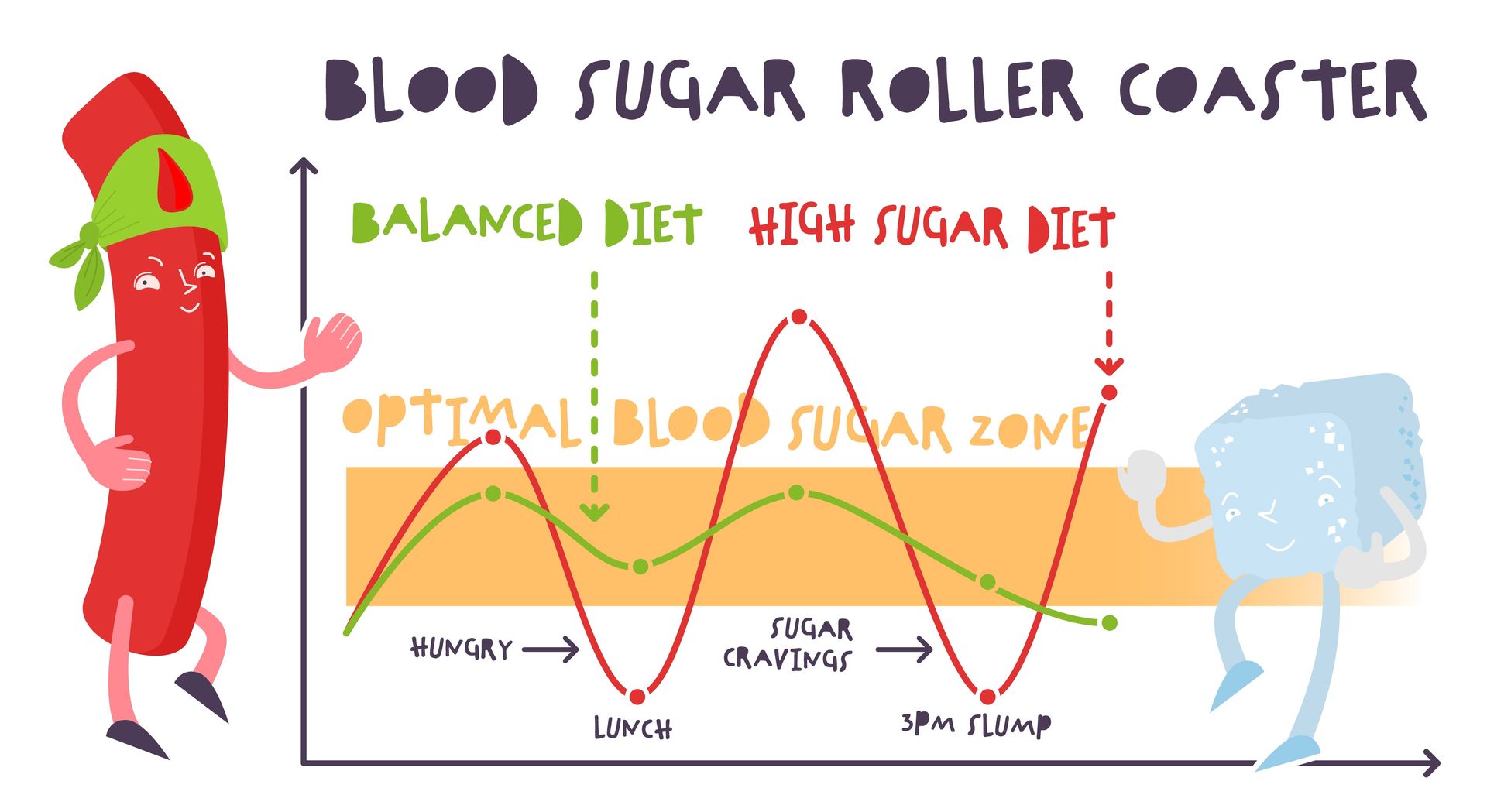
Low Blood Sugar
If you haven’t eaten in a while, your blood sugar levels may drop, leading to dizziness, shakiness and even nausea. This is more common in people with diabetes, but it can happen to anyone who skips meals or goes long periods without food.
Eating balanced meals and snacks throughout the day can help stabilize your blood sugar and prevent these episodes.
Sudden Changes in Position
Ever stood up too fast and felt like your head was spinning? That’s called orthostatic hypotension, which is a temporary drop in blood pressure when you change positions quickly.
It’s usually harmless but can become more frequent with dehydration, certain medications or underlying health conditions.
Inner Ear Issues
Your inner ear plays a major role in maintaining balance. Conditions affecting this system can lead to vertigo, a spinning sensation that can feel intense and disorienting.
Common inner ear-related causes include:
- Benign paroxysmal positional vertigo (BPPV)
- Inner ear infections
- Inflammation affecting balance
These conditions often cause dizziness triggered by head movement or changes in position.
Anxiety and Stress
Emotional health can have a powerful physical impact. Anxiety and panic attacks can cause dizziness, lightheadedness and a feeling of being disconnected from your surroundings.
Rapid breathing (hyperventilation) during stress can reduce carbon dioxide levels in your blood, leading to a floating or faint feeling.
Medication Side Effects
Certain medications, like those for blood pressure, anxiety or sleep, can cause dizziness as a side effect. If you’ve recently started a new medication or changed your dosage, this could be a factor.
Never stop a medication on your own, but do talk to a healthcare provider if you suspect it’s contributing to your symptoms.
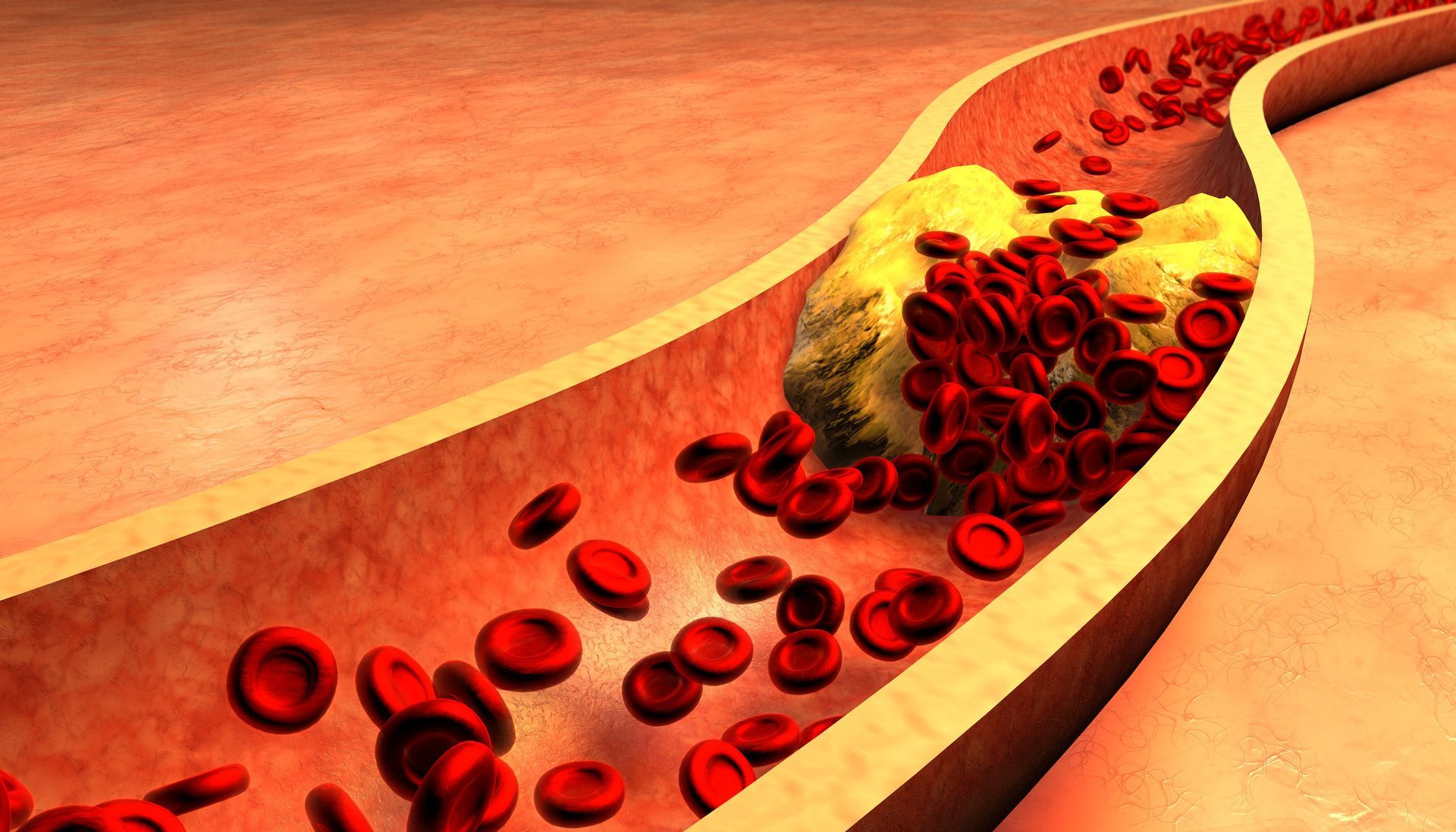
Low Blood Pressure or Circulation Issues
Consistently low blood pressure can reduce blood flow to the brain, causing dizziness. Circulatory issues may also contribute, particularly if symptoms occur during physical activity or prolonged standing.
When Should You Be Concerned?
Occasional dizziness isn’t uncommon, but certain symptoms may signal a more serious issue. You should seek medical attention if your dizziness:
- Happens frequently or is getting worse
- Is accompanied by chest pain, shortness of breath or a rapid heartbeat
- Causes fainting or loss of consciousness
- Includes severe headache, vision changes or difficulty speaking
- Occurs after a head injury
These could indicate underlying conditions that need prompt evaluation.
How to Prevent Dizziness
While not all causes of dizziness or lightheadedness are preventable, there are simple steps you can take to reduce your risk:
- Stay hydrated throughout the day
- Eat regular, balanced meals
- Stand up slowly, especially from sitting or lying down
- Limit alcohol and caffeine intake
- Manage stress through relaxation techniques or exercise
- Follow medication instructions carefully
Listening to your body and recognizing patterns can go a long way in preventing recurring episodes.
Don’t Ignore What Your Body Is Telling You
Dizziness may seem minor, but it’s your body’s way of signaling that something might be off, whether it’s hydration, nutrition, stress or an underlying health concern.
If you’re unsure why you’re feeling dizzy or if it keeps happening, getting a professional evaluation can give you clarity and peace of mind.
The team at St. Hope Healthcare can evaluate your symptoms, identify the root cause and create a personalized care plan to get you feeling steady and confident again.
Schedule an appointment with St. Hope Healthcare today by calling (713) 778-1300.