
Recent Posts

Healthy Aging

People are always giving tips on how to stay healthy with other parts of the body, but the eyes are not always covered. Aging of the eyes can bring changes, but vision loss and blindness don't have to be one of them.
It is reported that 1 in 6 Americans age 65 and older have a vision impairment that is not correctable with conventional glasses or contact lenses, and the risk of developing an eye disease does increase with age, but many of those people do not go to an eye doctor on a regular basis to check the health of the eyes!
Here are some recommendations to ensure that you maintain good eye health, even as you age:
1 ) See your eye care professional regularly (yearly is recommended).
2 ) Eat a healthy balanced diet including fruits and vegetables. Dark leafy greens such as kale, spinach and collard greens are especially good for eye health. There is also a lot of eye health benefit from eating fish like salmon, halibut and tuna which are high in Omega-3 fatty acids.
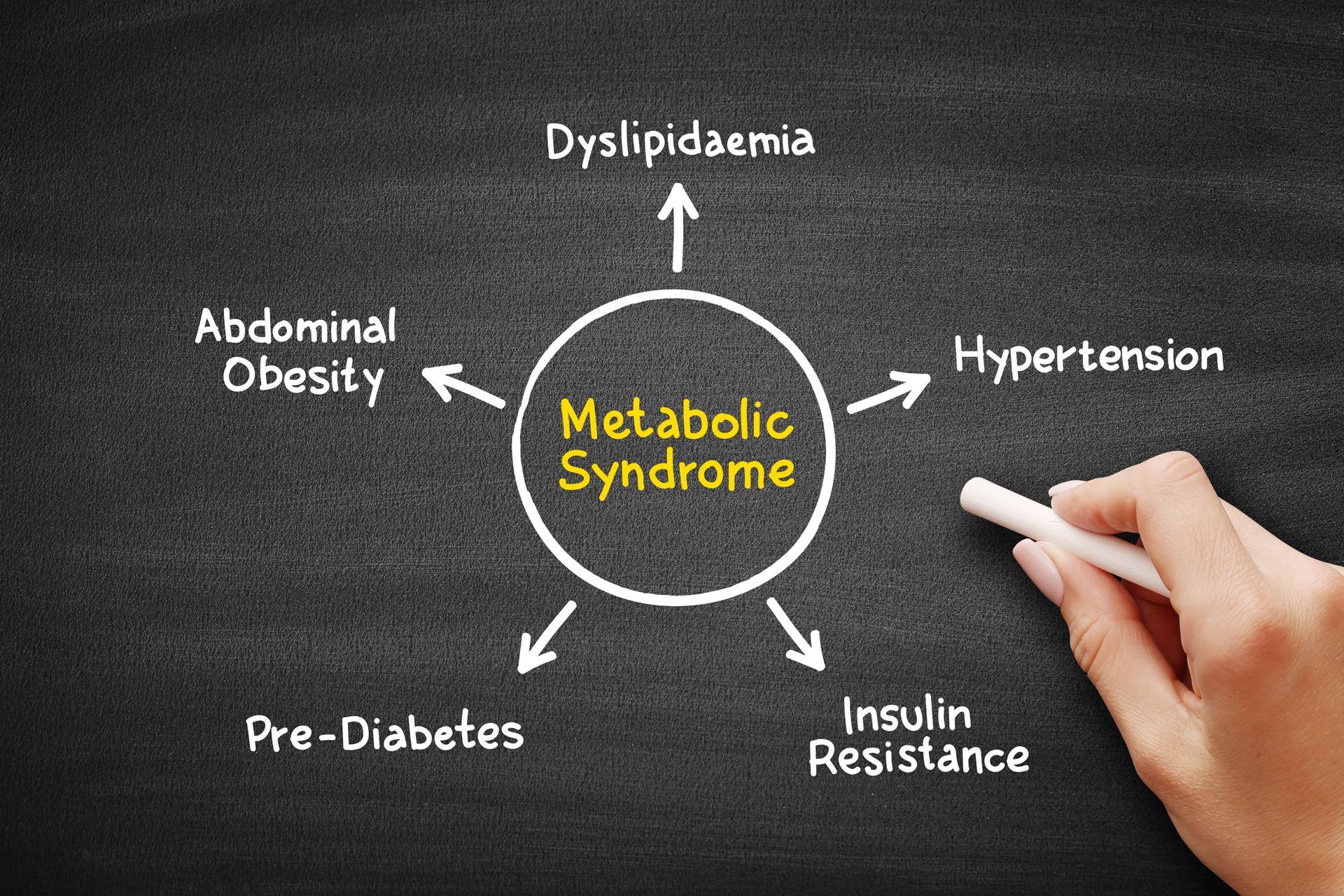
3 ) Know your risk factors! As you age there is more chance of developing cataracts, glaucoma, macular degeneration, dry eyes and diabetic retinopathy. Family history of these puts you at higher risk also! Being overweight can also lead to developing diabetes or other conditions that can lead to vision loss!
Another thing to consider is to use protective eyewear during sports or when working in risky situations like mowing the yard, doing metal work, and anything which creates flying objects or projectiles. Polycarbonate is the material recommended for better eye protection and is generally 10 times stronger than other plastics.
We only have one set of eyes, so take care of them! Don't be the next person that loses vision, especially when it could have been prevented!
Until next time ...