Recent Posts



How to Lower Risk for Cancer

February is Cancer Awareness Month and according to the Centers for Disease Control and Prevention (CDC), there is a strong association between excess body fat and cancer. The CDC found that a high number of people diagnosed with gastrointestinal cancers (esophagus, gastric cardia, colon, and rectum), and breast, gallbladder, kidney, ovarian and pancreatic cancer, were also overweight, obese, or morbidly obese. With the rise of the obesity crisis, marketing ads that target over the counter (OTC) weight loss products and vitamin and mineral supplementation have also increased. Furthermore, in my practice, clients regularly report turning to supplements as their main source of essential vitamins. Some clients report taking 2 or more vitamin products that contain similar vitamins daily. And the majority of the supplements taken by clients, claim to boost energy, curb appetite, or strengthen immune function.
As a result, an emphasis on vitamin safety has become a common topic in my practice. As more clients report the use of supplements, counseling clients on the efficacy and safety of supplements has shifted the conversation that focuses on the origin of vitamins and minerals and the benefits or risks related to multi-supplemental use.
As many of us know, the type of food and quantity of foods we eat can influence body weight and ultimately our health. Plant-based foods alongside heathy animal foods, offer macronutrients that are key to good health. In addition to healthy eating, engaging in regular physical activity is also part of being healthy. Other lifestyle factors to consider, and are vital to good health, include avoiding or limiting alcohol, avoiding harmful pollutants such as tobacco, and avoiding unhealthy eating patterns.
Although the cost of food has increased, the benefit of consuming healthful foods can outweigh the cost of consuming manufactured vitamins and nutrients. Did you know that consuming a balanced diet can offer your body all the essential vitamins and nutrients that are needed for good health and a healthy appetite? Eating naturally grown foods can offer more healthy benefits than vitamins alone. The key to good health is to consume vitamins and nutrients from foods first, and then supplement deficiencies as needed. Most often, diets that fall short of recommended daily servings are in need of temporary supplementation, especially during illness where intake of foods decrease. Another time where dietary supplements are beneficial is at the start of a healthy lifestyle. However, continuing the use of various supplements can pose a risk to health and your wallet. Have you seen the cost of supplements?
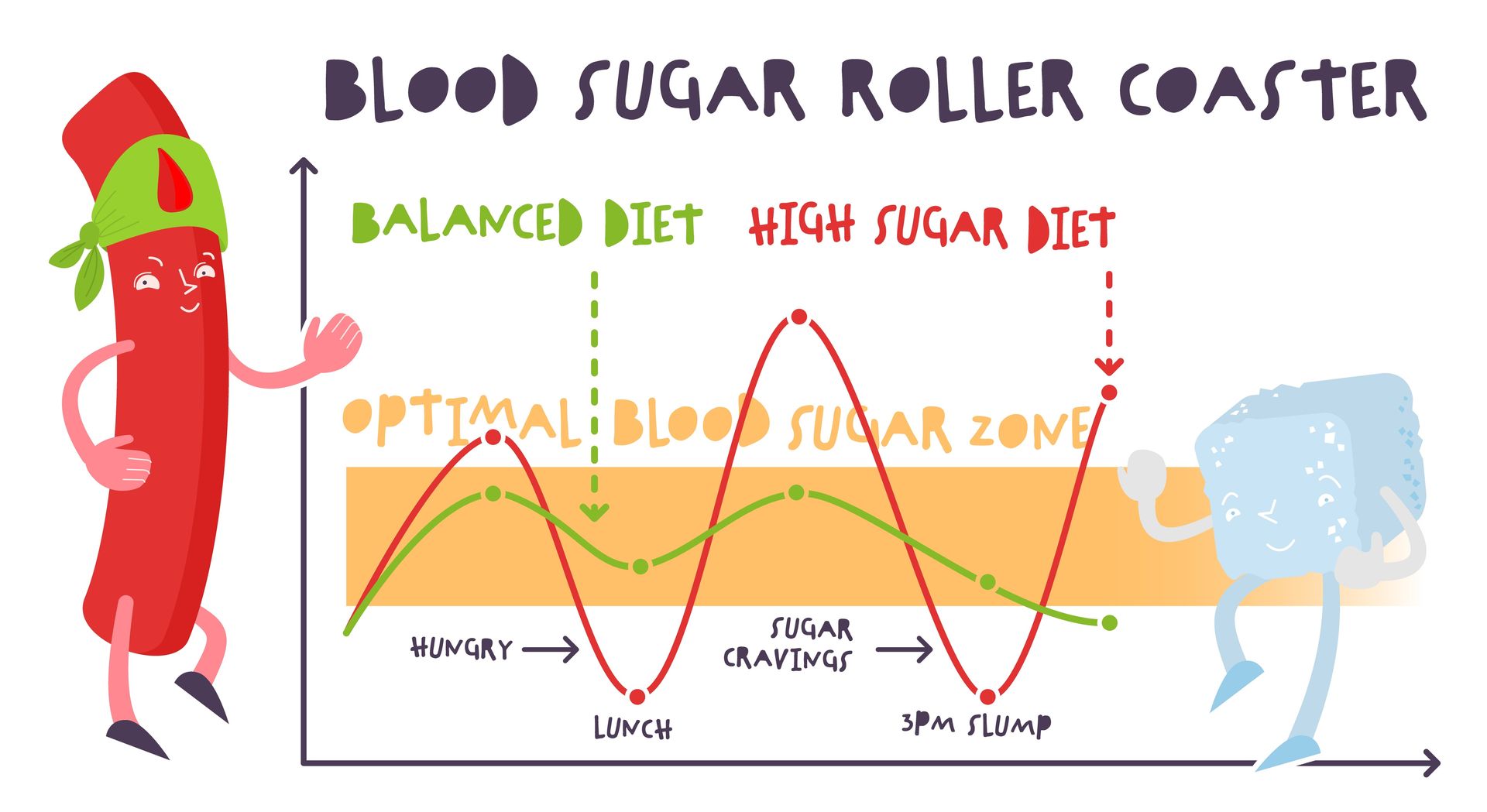
In support of a healthy diet, following the Dietary Guidelines for Americans 2020 – 2025 is a good place to start. These guidelines encourage eating a variety of healthful foods that offer the body a days’ worth of recommended fiber, antioxidants, phytochemicals, and more. A balanced diet not only works to prevent over consumption of unwanted calories it can help keep you feeling full for a longer period of time. Think of how hunger tends to set in soon after eating a low fiber food. Longer satiety can help keep blood sugars in range, maintain a healthy body weight, and can help curb midnight cravings. Overall, healthy dietary patterns and consumption of healthful foods work beautifully to promote gut health, support immune function, and most importantly, can help to reduce cancer risk.
For cancer prevention month, challenge yourself to eat a variety of healthy foods each day of the month. To learn more about ways to eat foods that not only taste good but are good for you too, schedule a consultation visit with your dietitian by calling 713-778-1300.
Till next time, stay healthy and be well!