Recent Posts




The Artichoke

Artichokes originate from the Mediterranean region and grow best in coastal climates. In the United States, they are commercially grown in southern California and grown in other states in smaller quantities. The season for harvesting artichokes is in Spring and Fall. If left untouched, they bloom into a flower. Therefore, artichokes are flower buds and are categorized as a vegetable.
Did you know that Artichokes are regarded as a superfood? Artichoke is a wonderful low-calorie and high-fiber green plant that is loaded with healthy properties. It is filled with antioxidants, and contains healthy amounts of potassium, fiber, vitamin C, magnesium, and folate. Artichokes are sugar-free and fat-free. They are also often mistaken for Hearts of Palm due to the flavor, color, and name.
When selecting them at the store, choose the ones with the heaviest feel since they will have more water and are more tender. Most of the artichoke is edible. Prior to cooking, the thorny tips are removed with kitchen scissors and the top part of the artichoke is sliced off and discarded. The outer leaves are more fibrous, tougher to chew and offer less meat. Artichokes are typically steamed, baked, broiled, grilled, or sauteed. Once cooked, the leaves soften and the meatiest part of this delicious plant is at the center, known as the Heart. However, the healthiest part is found inside the stem and lower part of the leaves.
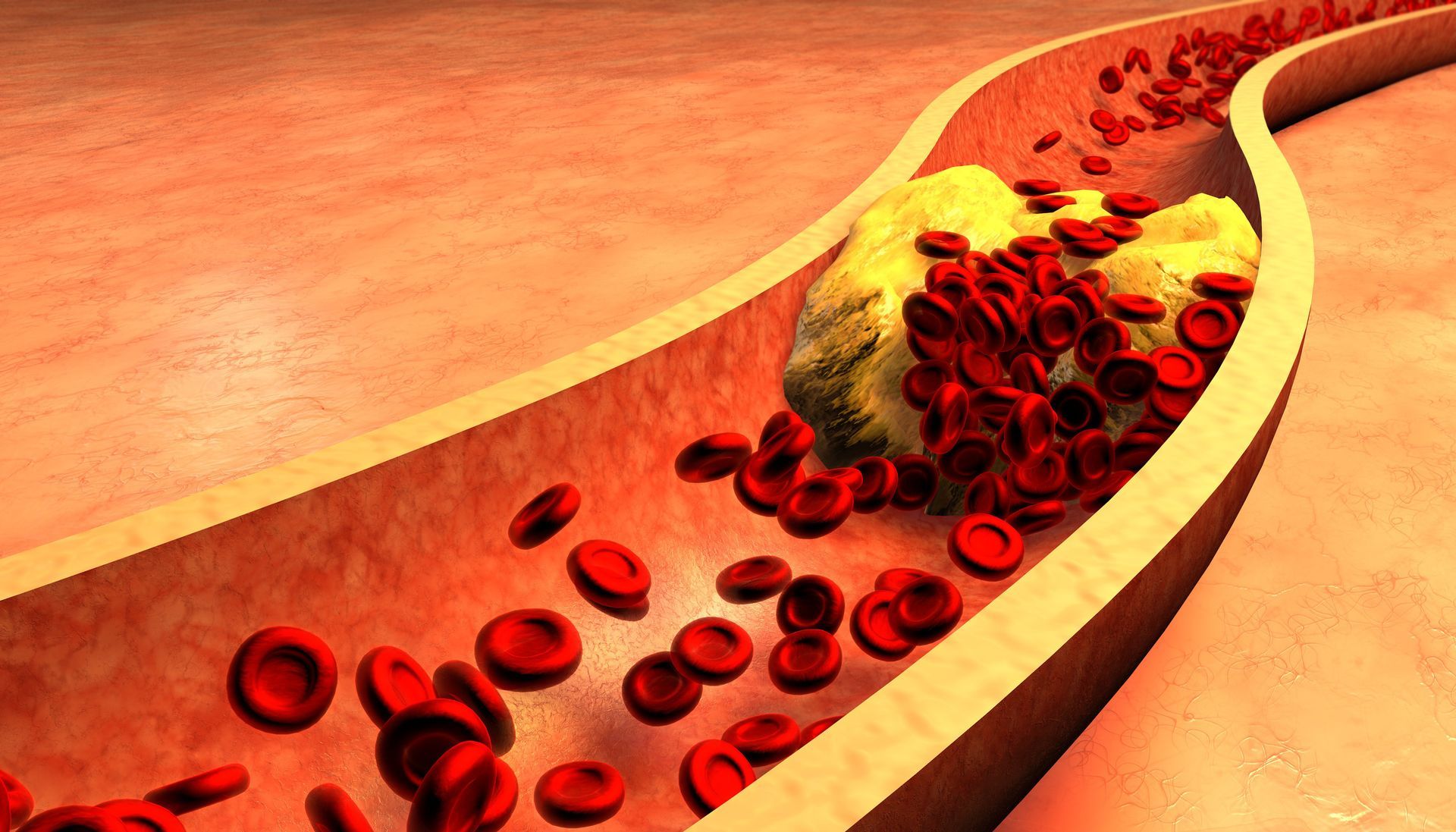
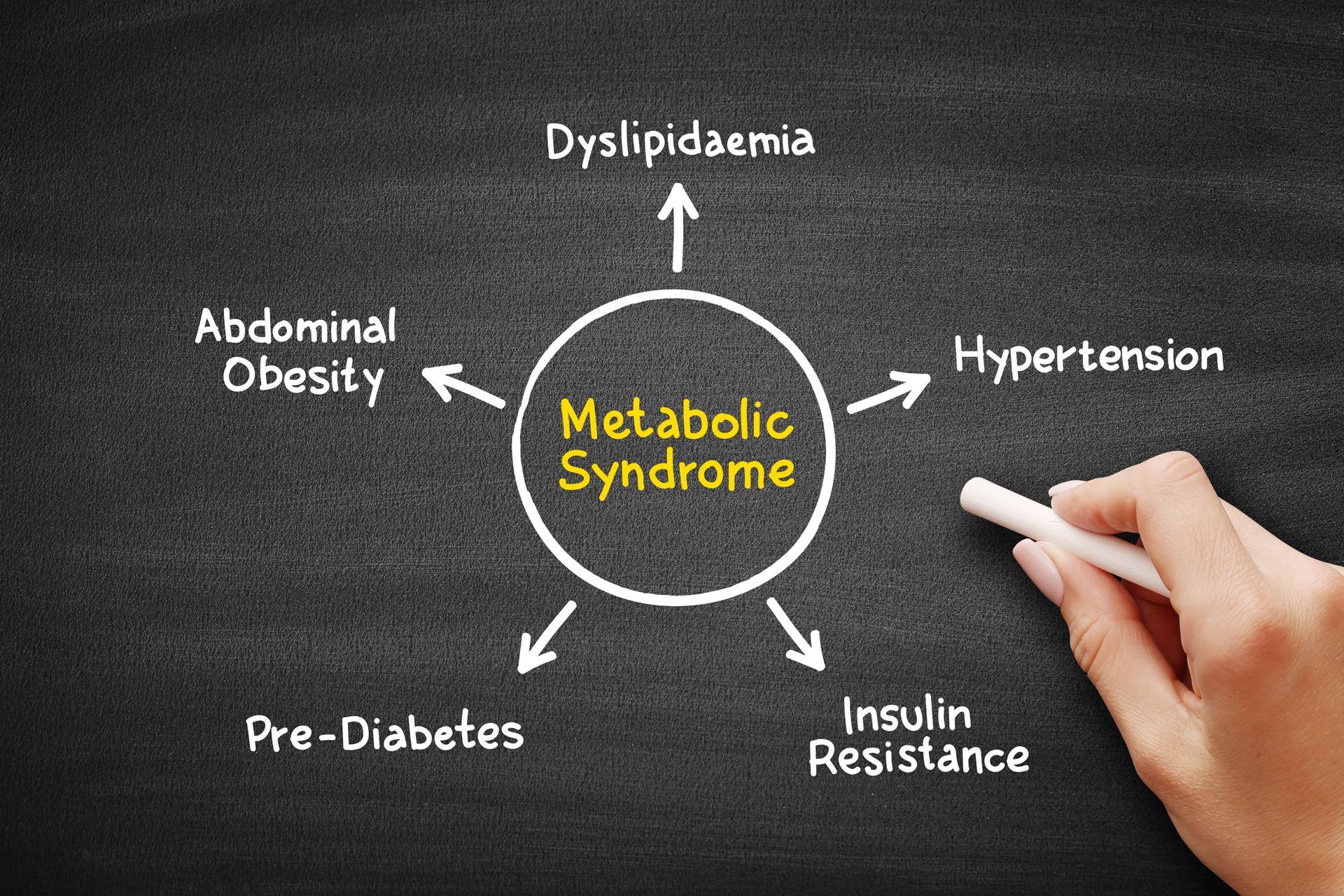
According to health experts, preliminary studies indicate that artichoke leaf extract is connected to controlling blood pressure and shows promise in lowering cholesterol levels and improving non-alcoholic fatty liver disease. Overall, further testing is needed to substantiate positive effects with the use of artichoke leaf extract and management of chronic health conditions. To learn more about the benefits of eating artichokes, schedule a consultation with one of our Registered Dietitians.
Till next time, stay healthy and be well.