
Recent Posts




What Is the Difference Between Family Practitioners and Pediatricians?
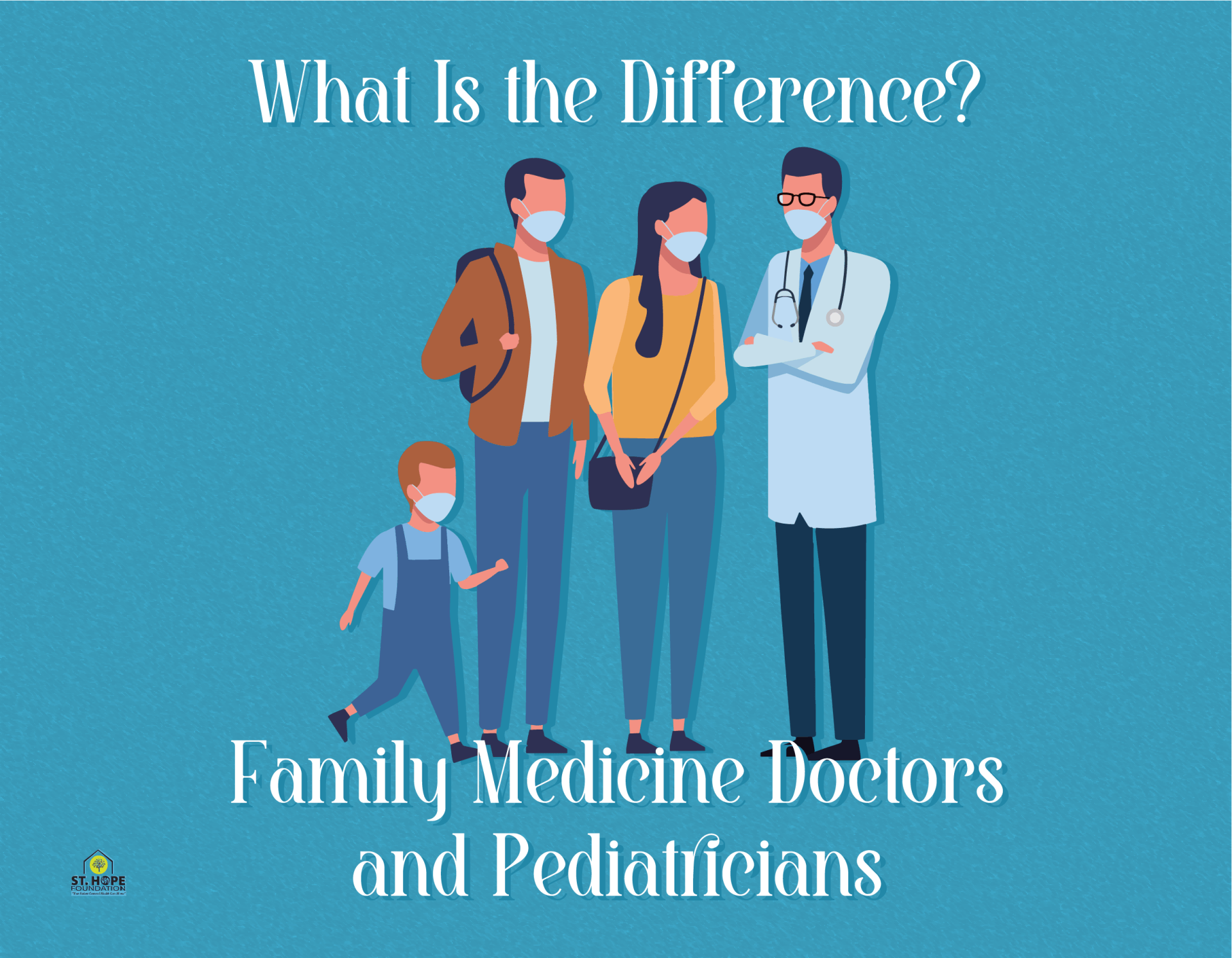
As the name suggests, a family practitioner is a doctor trained to take care of your entire family, from young children to elderly adults. Conversely, a pediatrician specializes in treating young children and adolescents who are under 18 years old. If you or your child has recently turned 18, they will likely need to switch to a family doctor or primary care physician, although some pediatricians will treat young adults up to 21 years old.
While both family practitioners and pediatricians can treat children, the latter typically have more hands-on knowledge about the physical and mental development of children, as well as more experience with various health conditions specific to infants, children and teenagers.
If you’ve recently welcomed a child into your family, you may be wondering which doctor is best for their unique needs. The fact is both family practitioners and pediatricians should be able to provide your child with excellent care.
When Should You See a Pediatrician?
You may choose to take your child to a family practitioner out of convenience if you and other members of your family are already seeing one. However, when it comes to a child’s health, there are certain medical conditions that are best treated or managed by a pediatrician. For instance, if your baby was born premature your pediatrician will devise a special treatment plan, including special feedings, medicine and temperature-control recommendations.
A pediatrician can offer specialized treatment for variety of pediatric diseases and disorders, including:
- Childhood diabetes
- Childhood obesity
- Down syndrome and other genetic disorders
- Seizures
- Asthma and allergies
- Infants with cerebral palsy
- ADHD
- Juvenile arthritis
- Growth problems
Even if your child is not suffering from a serious disease, you may prefer to take them to a pediatrician. Pediatricians are generally well-versed in interacting with children, which can reduce your child's apprehension with going to a doctor. What’s more, pediatric offices are typically equipped with toys, colorful artwork and decorative themes to make your child feel at ease.
When Should You See a Family Practitioner?
If it’s time for an annual checkup or your child has a mild cold, it may be a good idea to take them to a family practitioner. The latter is especially convenient when several family members are suffering from the same health issue, such as a cold or stomach flu.
A family practitioner can perform routine checkups, treat various illnesses and injuries, as well as administer vaccinations, order tests and make referrals to specialists.
It’s not uncommon for adolescents to no longer want to see a “kids” doctor in a “kids” office. Your teenager may connect better with a family doctor instead. Also, if you have a daughter with a gynecological condition, a family practitioner may be a better choice than a pediatrician.
Switching Your Child to a Family Practitioner
A pediatrician cares for your child until they become an adult. However, this doesn’t mean your child cannot switch to a family doctor before they turn 18. While many adolescents form a bond with their physician and may struggle with the change, others will feel more than ready to make the switch. When your child becomes a teenager, they may no longer feel comfortable talking to a pediatrician, especially when it comes to topics like puberty and sexual health.
If you and your child decide to make the switch, you should discuss this matter with your pediatrician to ensure a smooth and seamless transition.
Schedule Your Child’s Pediatric Visit with St. Hope Foundation in Houston, Texas
As a parent, you strive to keep your children healthy. If you’re looking for a doctor for your youngest family members, look no further. Our dedicated pediatricians and family doctors are here to give your child the comprehensive medical care they need and deserve.
If you have questions or would like to schedule a medical appointment for you or your children, call (713) 778-1300 or send us a message.