
Recent Posts



Why Foot Care Is Important for Diabetes Management

Nerve problems are very common in people with diabetes because the disease causes neuropathic damage, also known as diabetic neuropathy. The nerve damage from long-term diabetes can cause the signals between your brain and other parts of your body to be disrupted.
The nerve damage that affects your feet and other extremities is referred to as peripheral neuropathy. The National Institute of Diabetes and Digestive and Kidney Disease says one-third to half of the people with diabetes also experience peripheral neuropathy.
Signs of Nerve Damage in Feet From Diabetes
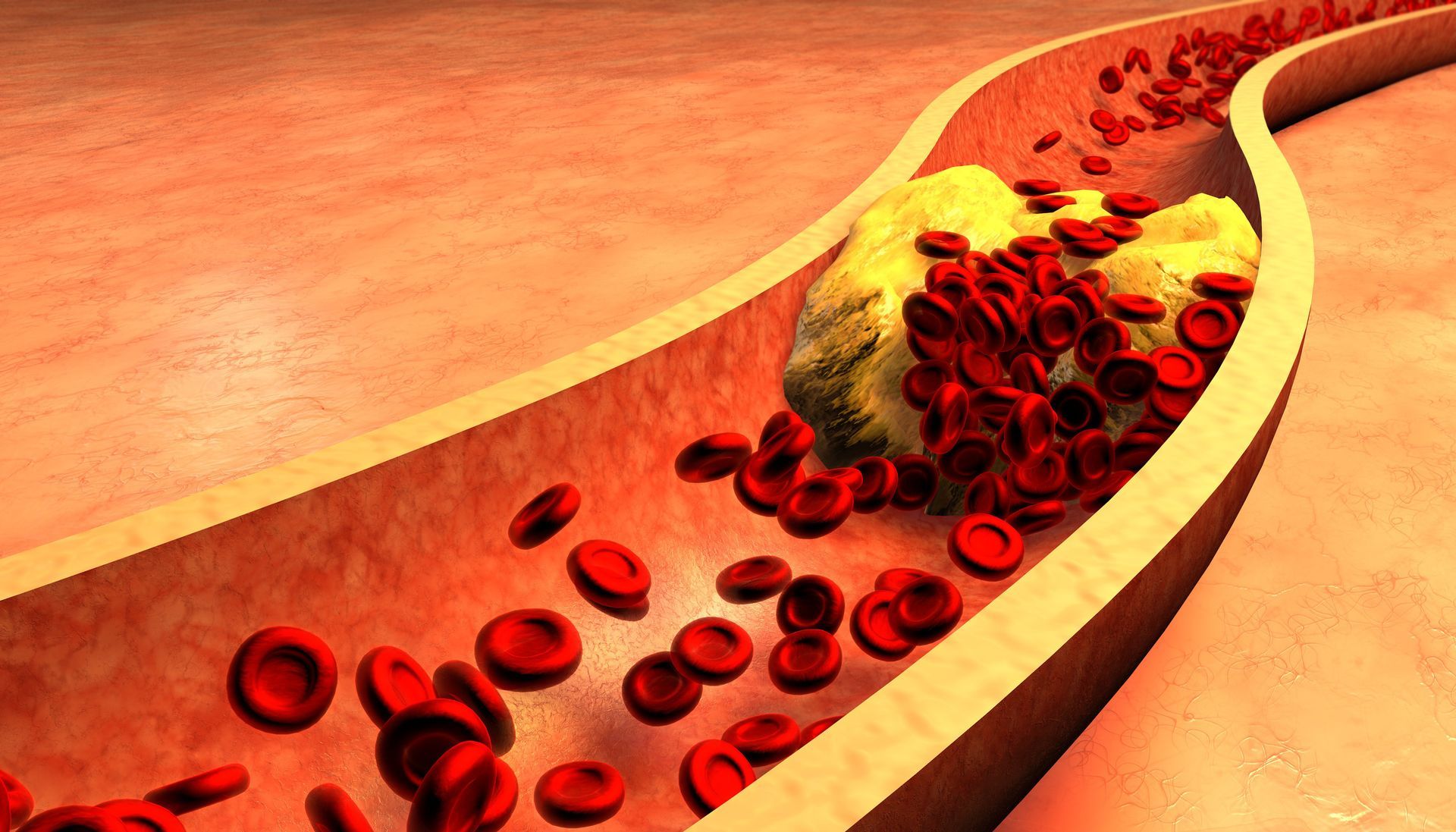
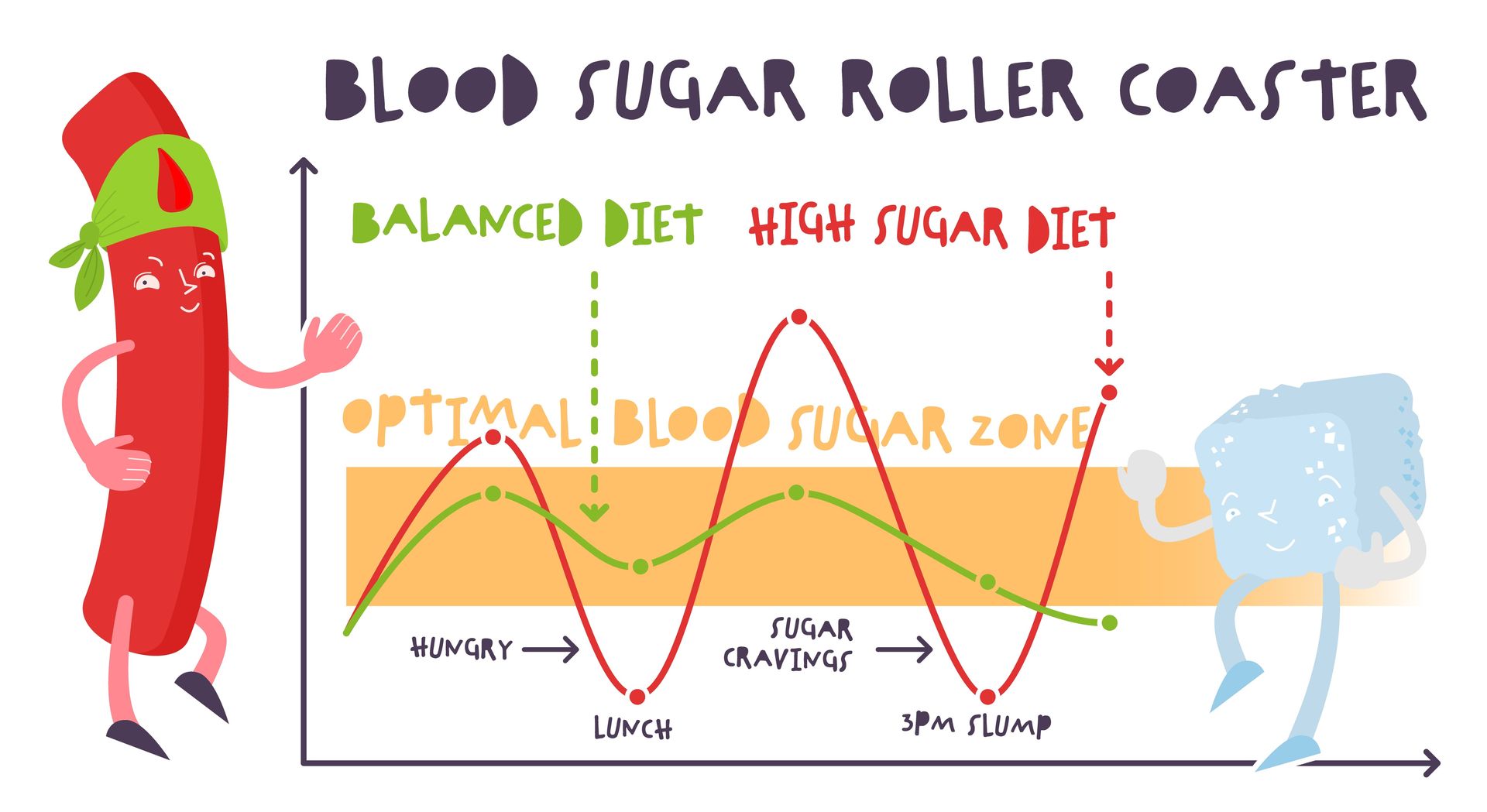
Poor circulation and a lack of blood flow to the limbs can be exacerbated by high blood glucose levels in the body. The high levels of fats (triglycerides) in the bloodstream can also contribute to nerve damage. Symptoms may include:
- Tingling
- Numbness
- Burning
- Pain
- Weakness
- Increased sensitivity
- Loss of muscle tone and balance
- Pain when standing for long periods
- Loss of feeling or temperature change sensations
Patients with peripheral neuropathy are highly susceptible to infection and injuries since they cannot feel their feet. The lack of pain signals makes it difficult to notice a cut or bruise, which can go unnoticed and cause additional harm.
Reduced blood flow to the extremities also makes it more difficult for those injuries to heal. Any non-healing wounds could lead to infection. Patients with serious untreated infections run the risk of amputation.
How to Avoid Developing Peripheral Neuropathy From Diabetes
Estimates suggest roughly 60 to 70 percent of diabetics eventually develop some type of peripheral neuropathy. You may be able to avoid peripheral neuropathy by taking care of your feet every day. Some of the ways you can monitor your feet include:
- Regularly inspecting your feet
- Washing your feet and properly drying them
- Moisturizing
Taking care of your feet ensures you’ll notice warning signs before they develop into more serious problems. The body isn’t able to naturally heal nerve damage, which means diabetes-related peripheral neuropathy cannot be reversed, even if you’re able to reverse your type 2 diabetes by losing weight and living a healthier life.
If you have diabetes, you should get the blood flow of your feet checked by a podiatrist at least once a year to detect any suspected nerve damage. However, the only way to effectively prevent peripheral neuropathy is to properly manage your diabetes.
Diabetes management means controlling your blood sugar levels with a healthy diet, exercise and taking any prescribed medications. Diabetics who are overweight, have high cholesterol, high blood pressure or drink and smoke are also highly susceptible to diabetic neuropathy. Avoiding those bad habits and managing weight is effective in preventing damage and reducing the risk of needing amputation.
Foot Care for Diabetics with Peripheral Neuropathy
If you have already been diagnosed with peripheral neuropathy the best thing you can do is manage your symptoms:
- Avoid walking barefoot
- Avoid heating pads and hot water
- Have professionals do your toenail care
- Wear comfortable and adjustable shoes
- Wear clean, dry socks without seams
- Change your socks and shoes often
- Purchase special shoes and socks designed for diabetics
Making regular appointments with a foot doctor in Houston is crucial for overall diabetes care and management. Podiatry is one of our strong suits at the St. Hope Foundation. We know that foot care should be a priority in diabetes care and management and are proud to offer both diabetes care and podiatry to make your visits easier.
Contact our diabetes management team at (713) 778-1300 to schedule an appointment with a podiatrist.