
Recent Posts


Healthy Vision Month 2022

May is Healthy Vision Month in 2022. It is meant to serve as a reminder that eyes are important, and should be examined on a regular basis, even when you have good vision!
Did you know that glaucoma is usually painless, you are unaware of it, and your vision can be 20/20?! This is true as glaucoma will normally cause slow, but sure decrease in peripheral vision, but could maintain perfect “straight ahead” vision! The only way to know for sure if you have it is routine eye exams at least once a year, depending on your eye health.
Cataracts are also slow to occur and the gradual changes in vision may not be noticeable either. Eventually the person will feel like they are looking through a “dirty window” with cataracts. A thorough examination by your eye doctor can determine the status of your eye’s lens(where cataracts form), and give you recommendations on treatment either by corrective lenses or surgery.
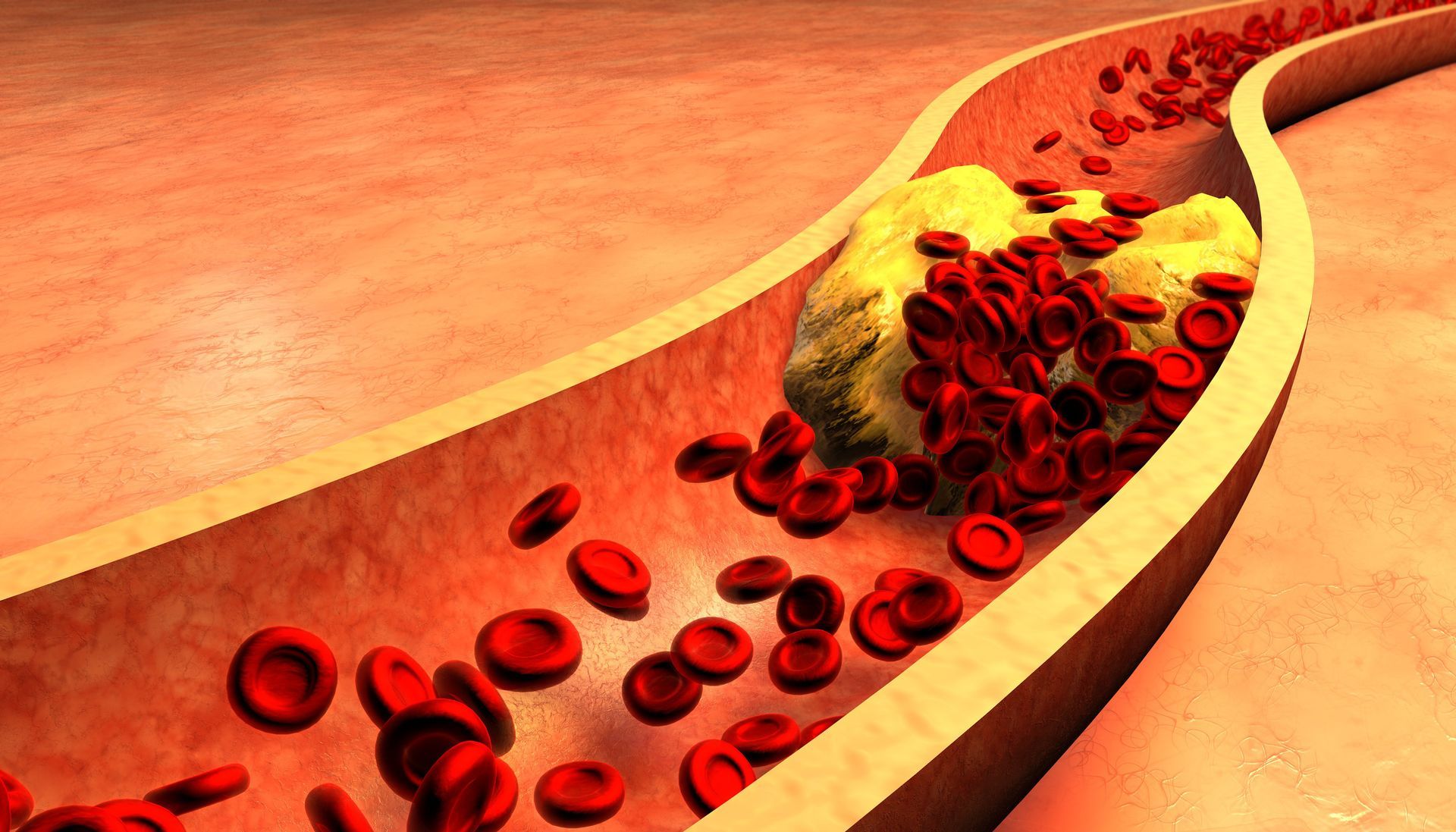
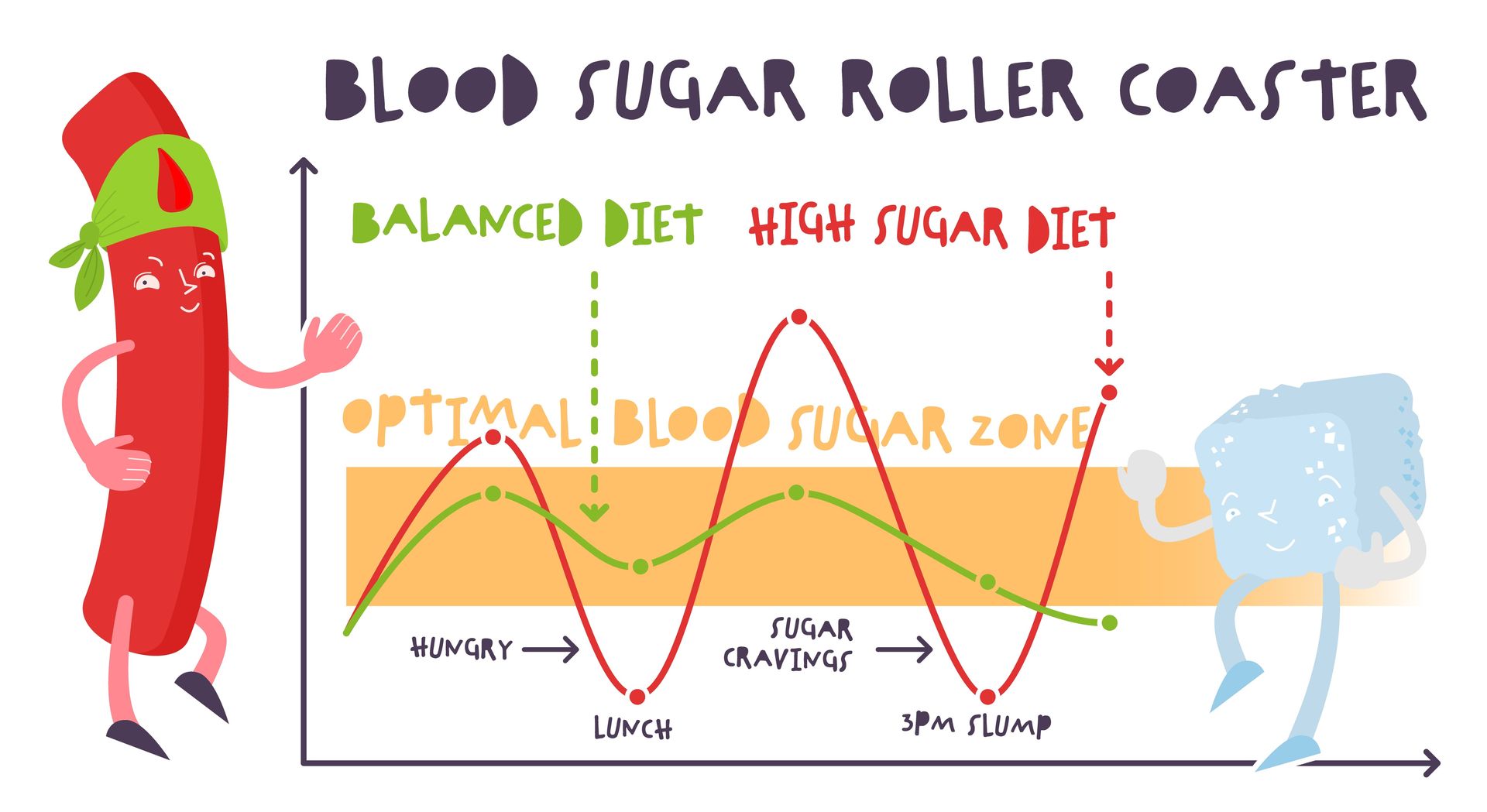
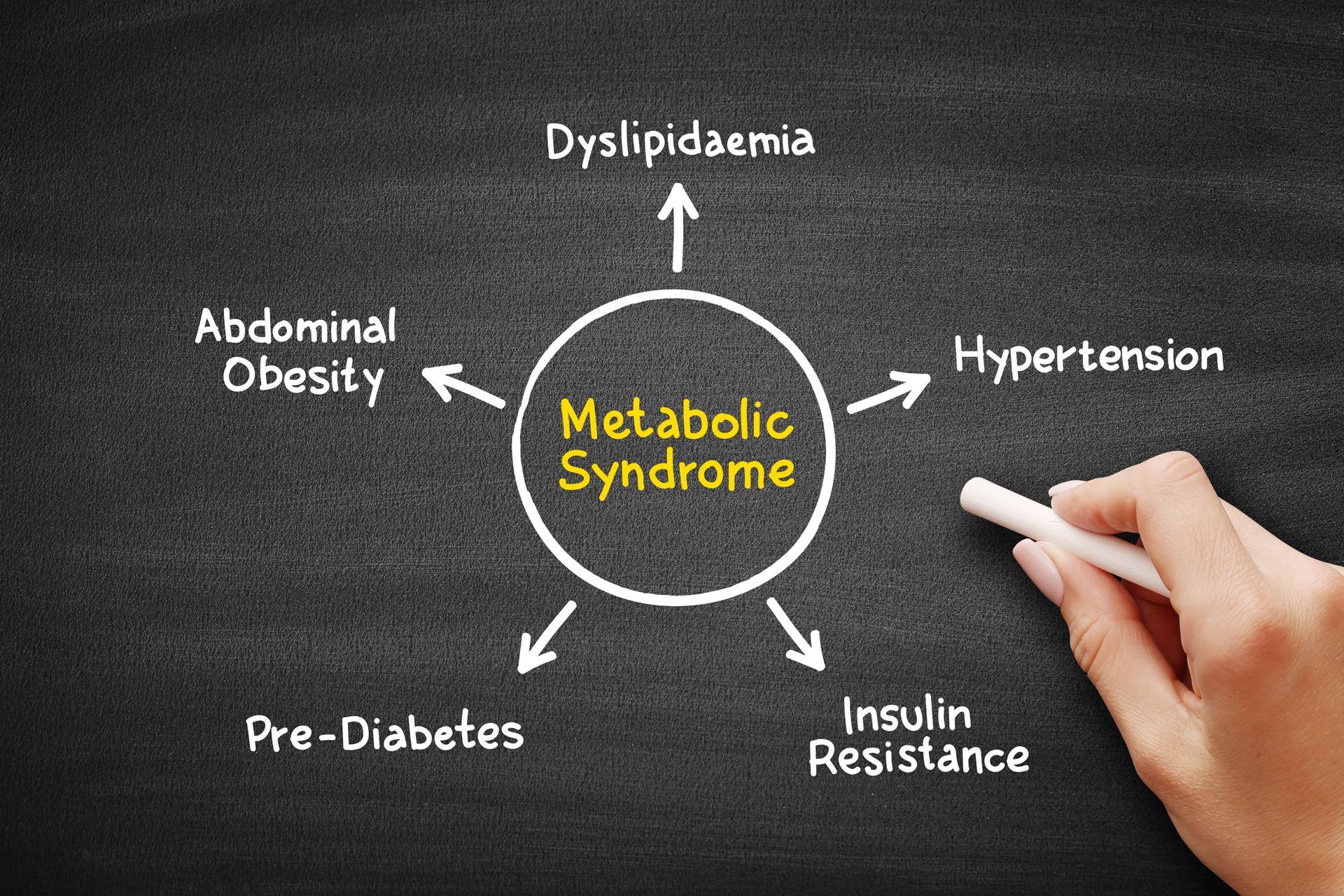
Anyone with diabetes, hypertension, history of a stroke or heart attack, and a head or eye injury should be coming in at least once a year for a full comprehensive exam! Unfortunately much vision loss associated with these conditions is preventable as long as eye care is maintained at the interval recommended by your doctor.
If you start to see floating spots or flashing lights, or the feeling that curtains are being closed in any aspect of your visual field, come in right away for a thorough eye exam including dilation to make sure there are no holes or tears in your retina!
Call us at SHF today for your yearly exam, or check on your follow up exam if one was assigned to you! Don’t lose vision needlessly and assume “it’s probably nothing”! See you soon!
Until next time...